
Why Running OS Betas on Mission-Critical Devices Is Always a Dangerous Game

The Allure and Peril of Early Software Adoptions
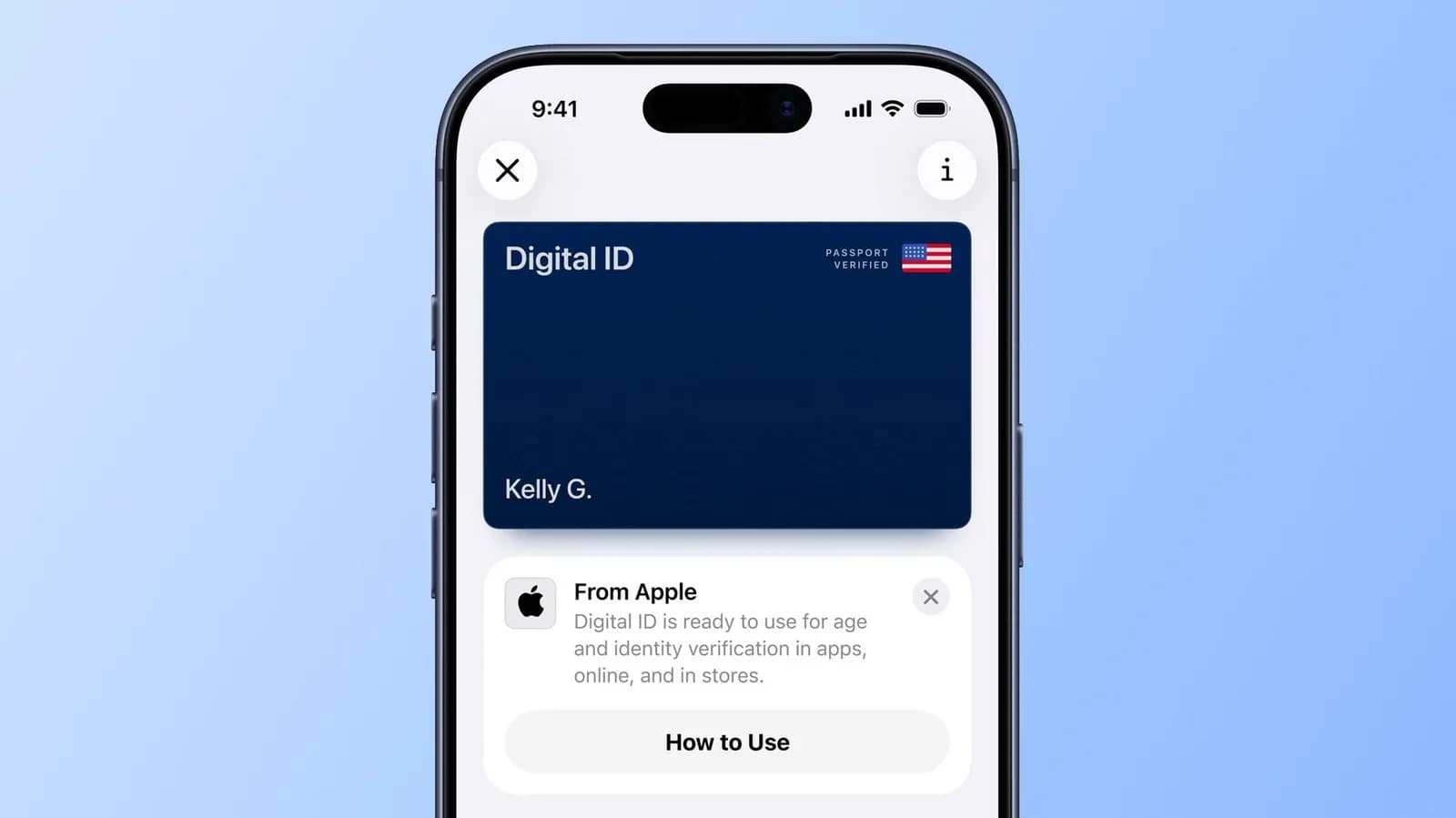
For developers, tech enthusiasts, and early adopters, the temptation to install the latest pre-release operating system is almost irresistible. Apple's developer and public beta programs offer a thrilling window into upcoming features, design overhauls, and underlying API changes that will soon define the mobile ecosystem. However, these preview builds are fundamentally unstable environments designed for testing, not for everyday reliance. When a recent beta version of iOS introduced a disruptive glitch affecting digital identification features, it served as a stark reminder of the very real-world consequences that software bugs can carry for unsuspecting users.
Digital IDs stored in mobile wallets are rapidly transitioning from experimental novelties into critical infrastructure for everyday life, particularly in transit hubs like airports. When an operating system update disrupts these verification tools, the friction moves immediately from the digital screen to the physical world. For travelers depending on their smartphones as boarding passes and identification credentials, a localized software bug ceases to be a minor nuisance and transforms into a major logistical bottleneck.
Anatomy of the Digital ID Glitch
The specific issue centered around how the pre-release software handled secure element verification and cryptographic handshake protocols required for official digital identification documents. While pre-release builds frequently tweak security frameworks to accommodate new developer features, unintended regressions can easily break established pathways. In this scenario, travelers attempting to present their digital credentials found themselves locked out of seamless verification loops, forcing fallback procedures that slowed processing times significantly.
What made the situation particularly challenging was the suddenness of the malfunction. Software features that function correctly during internal automated testing can fail unpredictably when interacting with legacy hardware terminals, updated backend validation servers, or specific network conditions encountered in the field. This highlights the inherent difficulty of simulating real-world usage environments during the early engineering phases of mobile operating systems.
The Developer Perspective: Balancing Innovation and Stability
From an engineering standpoint, operating system development is a continuous exercise in triage. Engineers must push the boundaries of performance, security, and user experience while maintaining backward compatibility with millions of lines of existing code and third-party integrations. Pre-release betas exist precisely to catch edge cases, race conditions, and integration failures before a software package reaches the general public's hands.
However, the democratization of beta software through public preview programs has blurred the lines between controlled developer environments and casual consumer usage. When millions of non-technical users install early builds simply to experience a new aesthetic or minor feature tweak, the surface area for unexpected operational friction expands exponentially. Software creators must constantly weigh the benefits of wide-scale telemetry gathering against the support overhead and user frustration caused by unpolished code.
Why Mission-Critical Hardware Demands Stability
The golden rule of systems administration and device management has always been simple: never run unverified, unstable software on a machine you cannot afford to break. Yet, in the era of the all-in-one smartphone, our primary communication tool is simultaneously our wallet, our boarding pass, our corporate authenticator, and our navigation system. Treating a pocket-sized supercomputer as a casual playground while relying on it for essential daily tasks creates an inevitable tension.
When digital wallets replace leather ones, the failure modes change fundamentally. A lost physical card is an inconvenience, but a software glitch that invalidates your identification credentials at a security checkpoint can cause missed flights, stranded journeys, and acute stress. This incident underscores why reliance on beta builds should strictly be confined to secondary hardware explicitly designated for testing purposes.
Broader Industry Implications for Digital Identity
As governments and corporate entities push harder toward mobile-first credentialing, the reliability of the underlying smartphone platform becomes a matter of public infrastructure. Digital driver's licenses, secure travel passes, and decentralized identity tokens require a level of uptime and predictability that mirrors traditional utility grids. An operating system bug is no longer just a UI glitch; it is a potential point of failure for civil mobility.
This reality forces platform vendors and credential issuers to build robust fallback mechanisms and error-handling routines. If a secure enclave handshake fails due to an OS-level regression, systems must degrade gracefully rather than locking users out completely. Ensuring high availability in the face of rapid, iterative software development cycles remains one of the defining architectural challenges of the modern mobile era.
Mitigating Risk in an Era of Continuous Deployment
The fast-paced software release cycle championed by major tech ecosystems guarantees that updates, patches, and feature drops will arrive more frequently than ever. For developers and power users, navigating this landscape safely requires disciplined risk management. Maintaining a clear separation between production devices—those tasked with travel, banking, and communications—and experimental testbeds is more critical now than at any previous point in mobile computing history.
Furthermore, this episode serves as a valuable learning opportunity for QA teams and product managers alike. As operating systems evolve into deeply integrated operating layers for personal identity, the threshold for acceptable instability in any distributed build shifts downward. Moving forward, pre-release testing protocols must account not just for software logic, but for the complex web of real-world dependencies that users rely upon every single day.
Final Takeaway
Software betas are essential engines of technological progress, allowing developers and enthusiasts to refine the tools of tomorrow. However, convenience should never outpace caution when dealing with mission-critical personal hardware. Respecting the boundaries of experimental software protects not only your device's integrity, but your peace of mind in transit.
Source: engadget.com