When Smart Homes Go Dark: Philips Offers Replacements After Firmware Update Bricks Lighting Hubs

The Silent Failure of the Connected Home
The promise of the modern smart home is built on seamless convenience: lights that adjust to the time of day, appliances that anticipate our needs, and centralized hubs that orchestrate it all behind the scenes. However, this interconnected ecosystem relies on a fragile foundation of continuous software updates. When those updates fail, the consequences are immediate and highly disruptive. Recently, owners of Philips smart lighting hubs experienced this vulnerability firsthand when a routine firmware update inadvertently rendered their devices completely inoperable, a state commonly known in the tech world as "bricking."
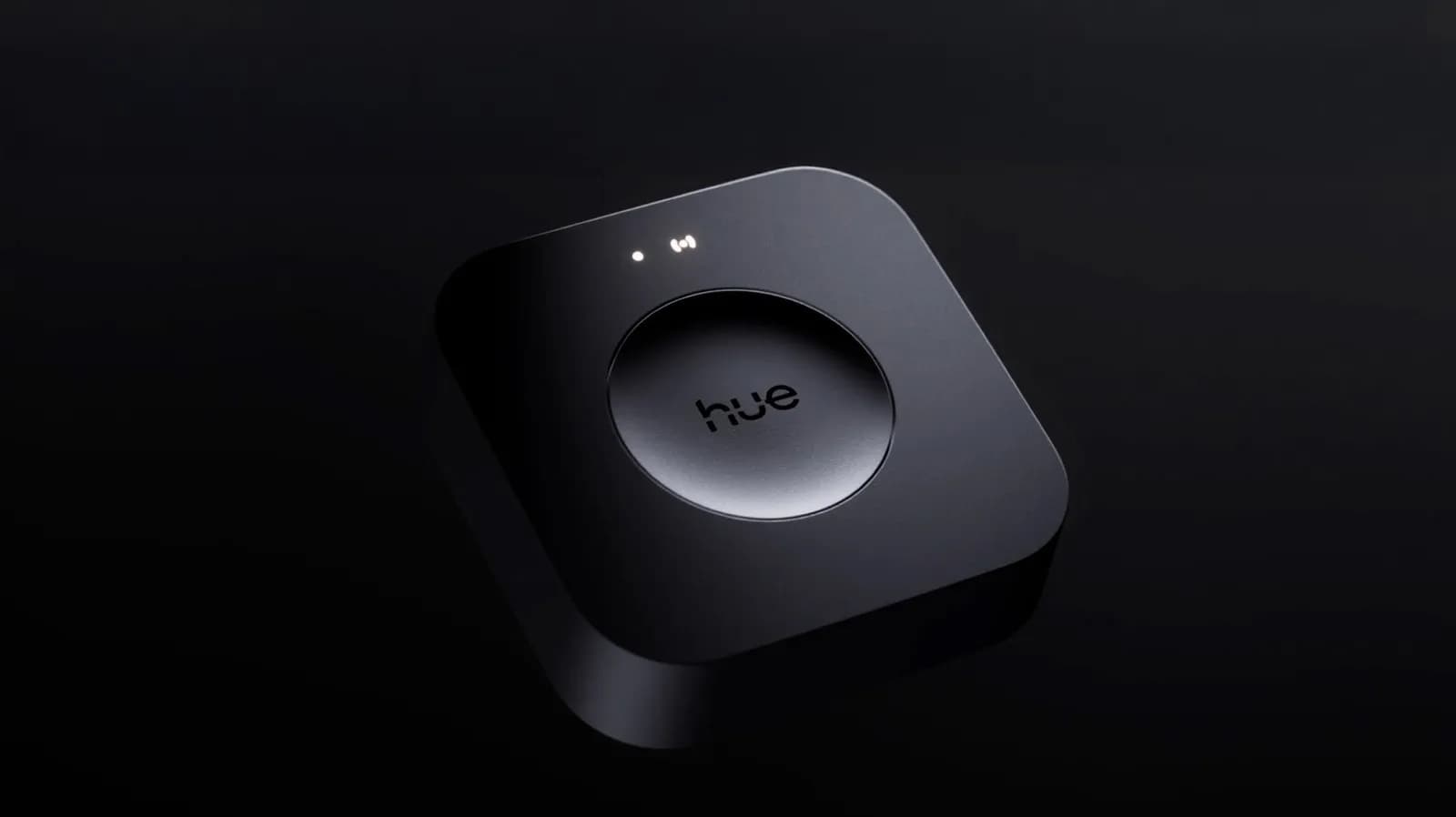
In response to the widespread disruption, Philips has announced that it will offer free replacement units to affected customers. Additionally, the company has initiated the rollout of a newer software update designed to prevent further devices from falling victim to the same issue. While this swift corporate response aims to mitigate customer frustration, the incident serves as a stark reminder of the inherent risks associated with automated, over-the-air (OTA) updates in the consumer Internet of Things (IoT) landscape.
Anatomy of an OTA Update Failure
To understand why this incident is so critical, it is helpful to examine what happens during a firmware update. Unlike application software running on a smartphone or computer, which operates within a protected sandbox, firmware is the low-level software programmed directly into a hardware device's non-volatile memory. It controls the basic operations of the device, including its network interfaces, hardware protocols, and boot sequences. When a firmware update is applied, the device must overwrite its existing operating code with new instructions.
If this process is interrupted—or if the new code contains a critical bug that prevents the device from completing its boot cycle—the hardware can enter an unrecoverable state. In the case of the Philips smart lighting hubs, the faulty update apparently corrupted the core operating environment of the bridge. Because these hubs function as the essential translators between local smart bulbs (often using protocols like Zigbee) and the user's home network, their failure instantly severed the connection between users and their lighting systems, leaving many unable to control their lights through apps, voice assistants, or automated schedules.
The Logistics and Cost of Hardware Replacements
When a software update failure occurs on a traditional computer, IT administrators or savvy users can often boot into a recovery mode or use a physical USB drive to reinstall the operating system. However, many consumer IoT devices are designed with minimal physical interfaces to keep manufacturing costs low and aesthetics sleek. Without an external display, USB ports, or accessible recovery buttons, a bricked smart hub becomes a closed box that cannot communicate with the outside world. It cannot connect to the internet to download a fix, nor can it accept commands from a local network.
This physical limitation is why Philips had no choice but to offer physical hardware replacements for the affected units. For a manufacturer, this is an incredibly costly resolution. Beyond the direct manufacturing cost of the replacement hubs, the company must bear the logistical expenses of shipping, handling, customer support triage, and the environmental impact of processing returned, non-functional hardware. It is a worst-case scenario for any hardware vendor, demonstrating how a single line of bad code can translate directly into millions of dollars in physical liabilities.
The Developer's Dilemma: Safe Deployment in IoT
For software engineers and embedded systems developers, the Philips incident is a classic cautionary tale that highlights the unique challenges of IoT deployment. In modern web development, continuous integration and continuous deployment (CI/CD) pipelines allow developers to push updates frequently, with the safety net of instant rollbacks if something goes wrong. In the embedded world, however, there is often no easy way to roll back a deployment once the device's network stack has been compromised.
To mitigate these risks, experienced IoT developers employ several defensive engineering strategies. One of the most common is A/B partitioning, where the device maintains two separate copies of its operating system in flash memory. When an update is downloaded, it is written to the inactive partition (Partition B) while the device continues to run on the active one (Partition A). The device then attempts to boot from Partition B. If the boot is successful and passes a series of self-tests, Partition B becomes the primary active partition. If it fails, the bootloader automatically reverts to the safe, working code on Partition A. Implementing such robust fallback mechanisms increases hardware costs slightly, but as this incident proves, it can save companies from catastrophic support and replacement cycles.
Rebuilding Trust in the Smart Home Era
Beyond the technical and financial ramifications, this incident touches on a deeper issue: consumer trust. The smart home market has matured significantly over the past decade, transitioning from a niche hobby for tech enthusiasts to mainstream household infrastructure. However, mainstream consumers have a much lower tolerance for technology failures than early adopters. When a traditional light switch is flipped, it works 100% of the time. When a smart lighting system fails due to a cloud outage or a faulty firmware update, it alienates users who expect basic household utilities to be infallible.
This friction is driving a growing movement toward local-first control and open-source smart home platforms. Tech-savvy consumers are increasingly turning to platforms like Home Assistant, which prioritize local network control over cloud dependency, allowing users to manage their devices without relying on mandatory, vendor-controlled automatic updates. For mainstream manufacturers like Philips, maintaining a reputation for reliability is paramount to preventing customers from migrating to these more open, user-controlled alternatives.
Unanswered Questions and Future Safeguards
While Philips' commitment to replacing the bricked hardware is commendable, several questions remain regarding how such a critical bug bypassed quality assurance (QA) testing. In complex smart home environments, testing firmware against every possible network configuration, router type, and device pairing combination is notoriously difficult. Nevertheless, the industry must establish more rigorous standards for staged rollouts.
Rather than deploying updates to millions of devices simultaneously, best practices dictate pushing updates to a tiny percentage of "canary" devices first, monitoring telemetry for anomalies, and gradually expanding the release over days or weeks. If a bricking issue is detected early in a limited cohort, the rollout can be paused immediately, limiting the damage to a manageable number of units. Moving forward, the smart home industry must treat firmware updates with the same level of caution and staging that enterprise cloud infrastructure providers do.
A Wake-Up Call for the IoT Industry
The Philips smart lighting hub incident serves as a powerful wake-up call for both manufacturers and consumers. For consumers, it highlights the importance of understanding the dependencies of their smart home setups and perhaps maintaining physical overrides or manual switches for critical infrastructure like lighting. For the broader tech industry, it underscores the reality that as we imbue everyday objects with software, we also inherit the maintenance, security, and stability challenges that have plagued the computing world for decades.
Ultimately, the way Philips handles the logistics of this replacement program will dictate how quickly it can recover from this reputational hit. By taking responsibility, offering free replacements, and quickly deploying a preventative patch, the company is taking the necessary steps to preserve customer loyalty. However, the long-term lesson for developers and product managers is clear: in the world of IoT, your update mechanism must be just as resilient as the hardware it powers.
Source: engadget.com