
Tracing the Outbreak: How the Taylor Farms Recall Highlights the Urgent Need for Modern AgTech Supply Chains

The Anatomy of a Modern Food Safety Crisis
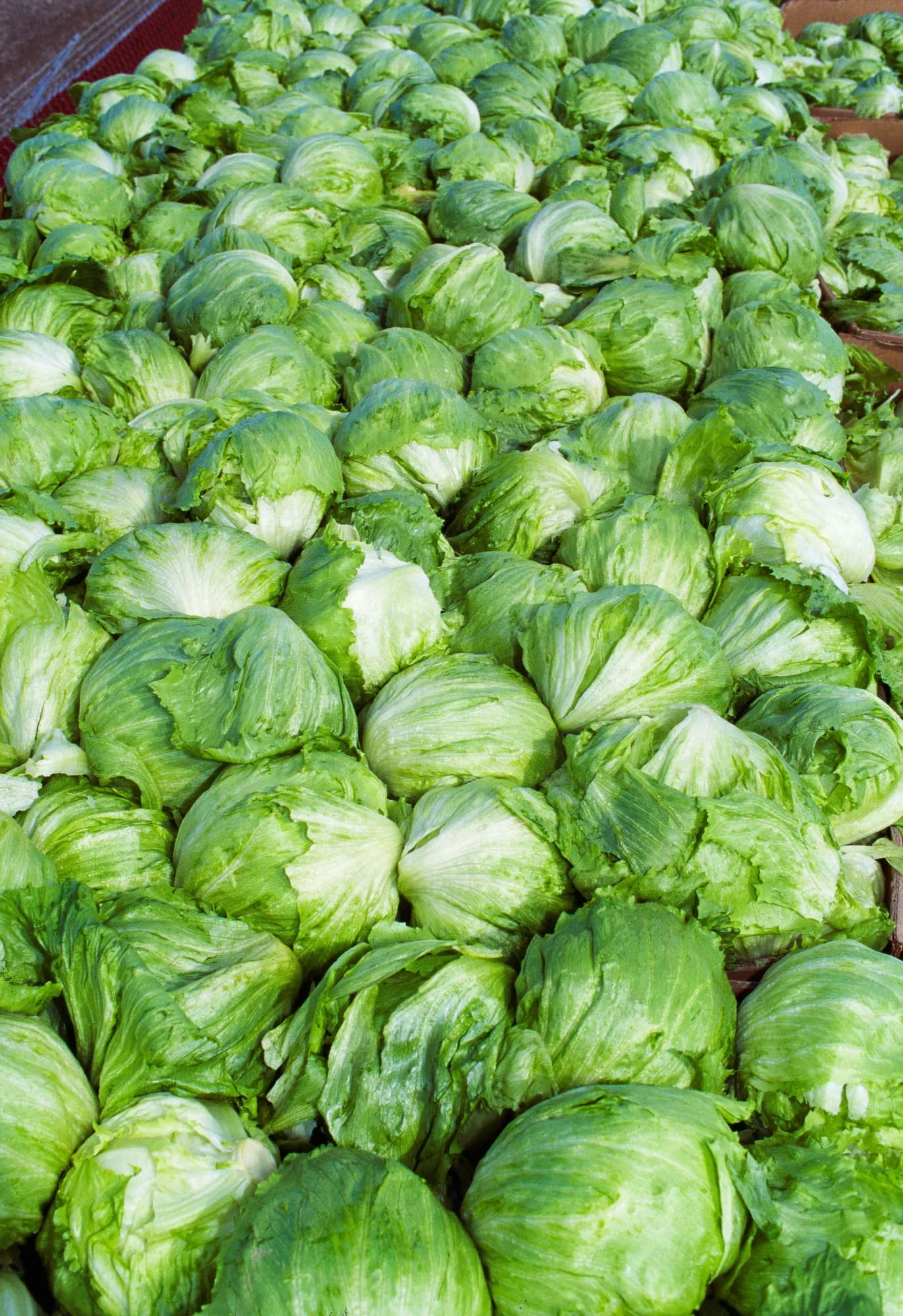
When a foodborne illness outbreak strikes, the reaction must be swift, decisive, and unfortunately, often sweeping. Recently, major food producer Taylor Farms announced a voluntary recall of all iceberg lettuce sourced from central Mexico from the United States market. The decision came in response to an outbreak of cyclosporiasis, a painful gastrointestinal illness caused by the microscopic parasite Cyclospora. According to industry sources, Taylor Farms proactively instructed major customers—including food distribution giant Sysco and Yum Brands, the parent company of Taco Bell—to immediately pull and discard shredded iceberg lettuce batches.
While the voluntary recall demonstrates a commendable commitment to public safety, it also highlights a systemic vulnerability in our global food supply chain. Because tracing the exact farm, field, or day of contamination remains an incredibly complex task, companies are often forced to implement broad, regional bans. Pulling all iceberg lettuce from an entire geographic region like central Mexico prevents illness, but it also results in millions of dollars of wasted produce, disrupted logistics, and severe financial strain on blameless local growers. For software engineers, system architects, and technology leaders, this crisis serves as a stark reminder of the critical work still needed in supply chain digitization.
The Coarse-Grained Recall Problem
In software engineering, we often talk about the granularity of a system. A coarse-grained system operates on large, blunt chunks of data, while a fine-grained system can pinpoint and manipulate individual variables. Today's agricultural supply chain is overwhelmingly coarse-grained. When a pathogen like Cyclospora is detected in a restaurant or grocery store, investigators must work backward through a labyrinth of paper invoices, disparate digital databases, and mixed shipments. By the time the source is narrowed down to a specific region, days or weeks have passed, and the only safe option is a blanket recall of all products from that territory.
This "all-or-nothing" approach is a direct consequence of data silos. A single head of lettuce might pass through a harvesting crew, a regional cooling facility, a processing plant where it is shredded and mixed with other batches, a logistics provider, a distribution center, and finally a restaurant kitchen. If each of these entities maintains its own isolated database—or worse, relies on physical paperwork—the chain of custody is broken. Developers working in the AgTech (agricultural technology) space are tasked with building the connective tissue that can transform these fragmented pipelines into a single, continuous stream of verifiable data.
IoT and Real-Time Environmental Monitoring
To prevent contamination before it reaches the processing plant, the agricultural sector is increasingly turning to the Internet of Things (IoT). Parasites like Cyclospora often find their way into crops through contaminated irrigation water or poor sanitation conditions during harvesting. By deploying networks of IoT sensors across agricultural fields, developers can help farmers monitor environmental variables in real time. Soil moisture, water pH, ambient temperature, and even the presence of specific organic compounds can be continuously streamed to cloud-based analytics platforms.
For backend engineers, designing the infrastructure to ingest and process this massive influx of telemetry data is a unique challenge. These systems must utilize edge computing to process data locally in remote fields with limited connectivity, transmitting critical alerts via low-power, wide-area networks (LPWAN) like LoRaWAN or cellular IoT. If an irrigation system's water quality deviates from safe parameters, automated alerts can immediately flag the affected crops. This prevents contaminated produce from ever being harvested, stopping outbreaks at the very source.
Cryptographic Traceability: Can Blockchain Save Our Salads?
Once produce leaves the farm, maintaining an immutable record of its journey is paramount. This is where distributed ledger technology (DLT), or blockchain, enters the picture. While blockchain is often associated with cryptocurrencies, its most practical enterprise application may lie in supply chain traceability. Platforms like IBM Food Trust have pioneered the use of shared, cryptographic ledgers to track food items from seed to supermarket shelf.
In a blockchain-enabled supply chain, every transition of ownership is recorded as a cryptographically signed transaction. When Taylor Farms receives a shipment of lettuce from a grower in central Mexico, a smart contract automatically logs the batch number, harvest date, and geographical coordinates onto the ledger. If that lettuce is later shredded, packaged, and shipped to a Sysco distribution center, that transformation is also recorded. If an outbreak occurs, health officials would not need to guess which farms were involved; a simple query of the ledger would instantly reveal the exact path of the contaminated batch, allowing for a surgical, highly targeted recall rather than a nationwide market pull.
AI and Predictive Analytics in Food Safety
Beyond tracking where food has been, modern developers are building machine learning models to predict where contamination is most likely to occur. Cyclospora outbreaks are often highly correlated with seasonal weather patterns, heavy rainfall events that cause agricultural runoff, and specific humidity levels. By training predictive models on historical outbreak data, weather forecasts, and satellite imagery, AgTech platforms can assign a dynamic risk score to different harvesting zones.
For data scientists, this involves constructing complex pipelines that integrate diverse datasets. A machine learning model might analyze satellite data to detect flooding near a farm in central Mexico, cross-reference it with local water treatment records, and automatically flag the area as high-risk. This prompts immediate, targeted pathogen testing of the crops before they are cleared for distribution. Transitioning from a reactive posture—recalling food after people get sick—to a predictive posture is the ultimate goal of modern food safety technology.
The Developer's Challenge: Overcoming Legacy Silos
While the technological solutions exist, the primary hurdle to widespread adoption is integration. The agricultural industry is notoriously fragmented, spanning multinational corporations with advanced ERP systems and small, family-owned farms that rely on manual ledgers. Building software that accommodates this wide spectrum of technological maturity is a major UX and engineering challenge. Developers must design intuitive, mobile-first applications that field workers can use with minimal training, often in offline environments.
Furthermore, establishing global data standards is critical. Without standardized APIs and data formats, a blockchain or IoT platform cannot easily communicate with a distributor's legacy warehouse management system. Organizations like GS1 are working to establish global standards for food traceability, but it is up to software engineers to implement these standards in their codebases. Creating open-source SDKs, robust middleware, and flexible APIs will be key to democratizing supply chain technology and ensuring that even the smallest farms can participate in a secure, transparent global network.
A Smarter, Safer Food Future
The Taylor Farms recall is a sobering reminder of the physical consequences of digital shortcomings. When our supply chain data is fragmented, public health suffers, food is wasted, and businesses face massive financial losses. However, the tools to solve this problem are already in our hands. By combining IoT monitoring, cryptographic ledgers, and predictive machine learning, developers have the power to build a transparent, resilient food supply chain. As these technologies mature and gain widespread adoption, we can look forward to a future where foodborne outbreaks are detected in hours rather than weeks, and where a single contaminated batch no longer requires emptying the shelves of an entire nation.
Source: theverge.com