
The Rift in Xbox's Labor Peace: Why Unions Are Accusing Microsoft of Bad Faith Bargaining

The Illusion of Harmony Shatters
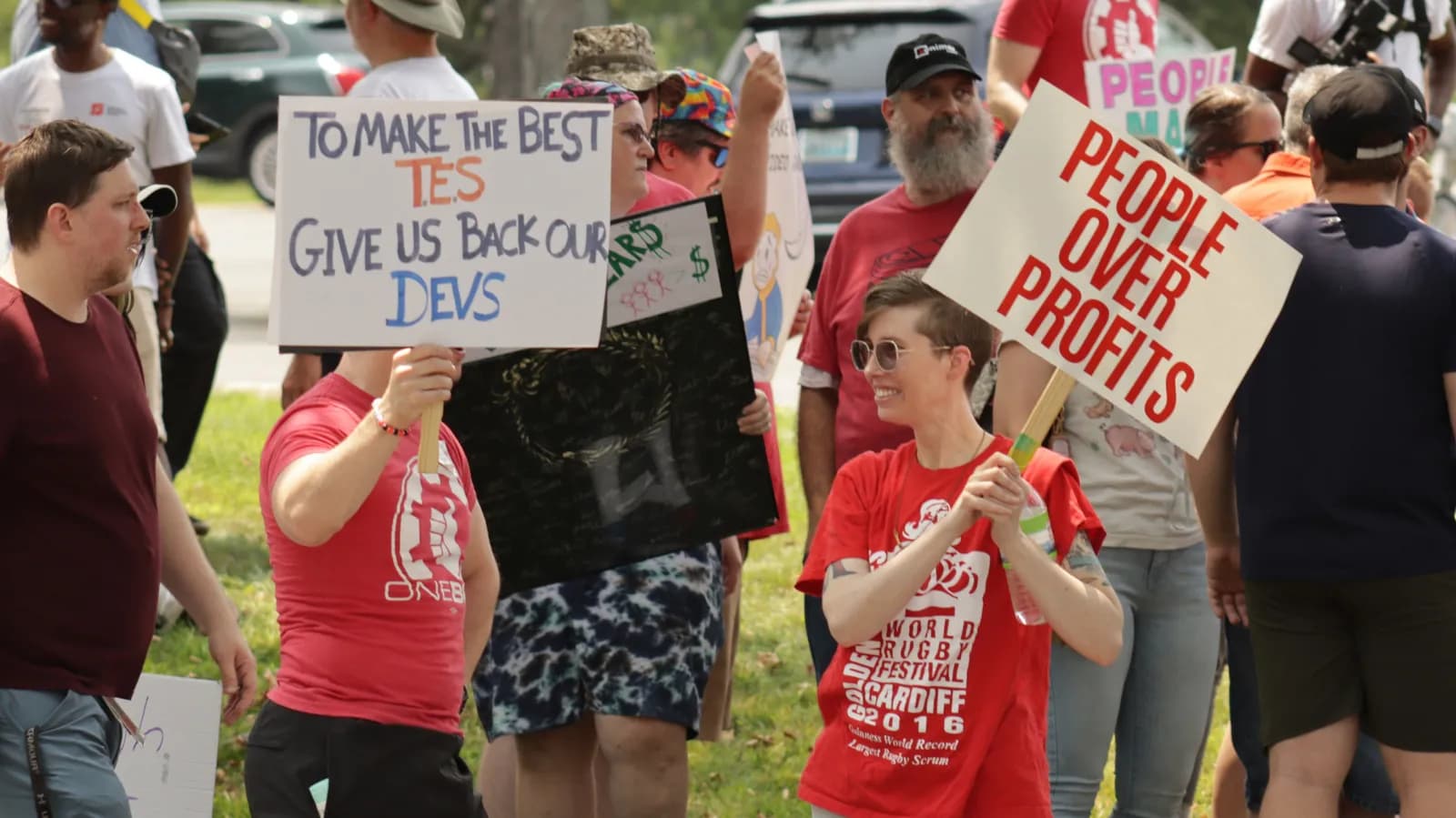
For a brief moment, Microsoft was positioned as the progressive exception in a tech industry notoriously hostile to organized labor. While its peers spent millions on union-busting consultants and aggressive anti-union campaigns, the Redmond-based giant took a different path, signing historic neutrality agreements and welcoming union votes with public-facing grace. However, that carefully cultivated image of corporate benevolence has run headfirst into reality. Video game unions representing workers in both the United States and Canada have filed formal charges with labor relations boards, accusing Microsoft’s Xbox division of unfair labor practices and bad faith bargaining.
This sudden escalation represents a critical turning point for the gaming industry. The charges, filed with the U.S. National Labor Relations Board (NLRB) and its Canadian counterparts, suggest that the transition from allowing workers to organize to actually signing a fair contract is proving to be a battlefield. For thousands of developers, quality assurance testers, and artists who believed Microsoft’s promises of a collaborative workplace, the legal filings are a sobering reminder of the deep divide between corporate public relations and the realities of contract negotiations.
The Strategic Roots of Microsoft's Labor Neutrality
To understand the gravity of these charges, one must look back to the strategic maneuvers that defined Microsoft’s recent corporate history. When the company announced its intent to acquire Activision Blizzard for a staggering $69 billion, it faced immense regulatory scrutiny from antitrust watchdogs worldwide. To ease this pressure and win allies in the public sphere, Microsoft made a highly unusual move: it entered into a labor neutrality agreement with the Communications Workers of America (CWA) in 2022. This pact guaranteed that Microsoft would remain neutral during unionization drives, giving workers a clear, unobstructed path to organize.
This strategy worked brilliantly. It neutralized potential opposition from labor advocacy groups, helped clear regulatory hurdles, and painted Microsoft as a mature, socially responsible tech leader. In the wake of the acquisition, unionization swept through various Xbox studios, including ZeniMax Media and Activision Blizzard’s QA departments. Workers celebrated what they believed was a new era of cooperative labor relations. However, as those newly formed unions sat down at the negotiating table to hammer out their first collective bargaining agreements, the initial optimism began to evaporate, replaced by bureaucratic delays and corporate resistance.
Decoding the "Bad Faith" Allegations
The core of the current legal dispute lies in the accusation of "bad faith bargaining." In labor law, bargaining in good faith requires both employers and unions to meet at reasonable times, confer in good faith with respect to wages, hours, and other terms of employment, and execute a written contract incorporating any agreement reached. The unions allege that Microsoft has systematically violated these principles. Rather than engaging in sincere negotiations, the company is accused of using stalling tactics, withholding critical information, and attempting to bypass the union to make unilateral decisions.
For developers and QA staff, these tactics are incredibly damaging. When a company drags its feet during contract negotiations, it dilutes the momentum of the union and leaves workers in a state of prolonged precarity. By filing unfair labor practice charges, the unions are asking federal regulators to step in and force Microsoft to negotiate honestly. The filings signal that workers are no longer willing to accept polite corporate rhetoric; they demand concrete, legally binding commitments on the issues that matter most to their livelihoods.
The Precarious State of Modern Game Development
The timing of this labor conflict is deeply tied to the broader economic anxiety gripping the video game industry. Over the past two years, the gaming sector has been rocked by unprecedented instability. Despite generating billions of dollars in global revenue, major publishers have unleashed relentless waves of layoffs, studio closures, and project cancellations. Microsoft’s own gaming division has not been spared, with thousands of workers losing their jobs following the consolidation of Activision Blizzard and Bethesda.
In this volatile environment, the goals of video game unions have shifted from securing better perks to fighting for basic survival. Workers are demanding robust job security clauses, fair severance packages, clear pathways for career progression, and strict guidelines regarding the integration of generative artificial intelligence in creative workflows. When Microsoft implements sweeping structural changes or job cuts without consulting the unions representing those workers, it directly undermines the collective bargaining process. For the employees, a union contract is the only shield they have against sudden, algorithmically driven corporate downsizing.
The Corporate Dilemma: Balancing Wall Street and Workers
From Microsoft's executive suite, managing a rapidly growing, unionized workforce presents a complex operational challenge. Having spent tens of billions of dollars on acquisitions, the company is under intense pressure from Wall Street to demonstrate profitability and efficiency. In the tech industry, efficiency often translates to restructuring, consolidating departments, and reducing headcount. However, these corporate maneuvers are fundamentally at odds with the slow, democratic, and protective nature of union contracts.
Microsoft finds itself trapped in a dilemma of its own making. It cannot easily deploy the aggressive, overt union-busting tactics used by other tech giants without triggering a massive public relations backlash and potentially violating its existing neutrality agreements. Instead, the company appears to be opting for a war of attrition at the bargaining table—stretching out negotiations in the hope of exhausting the union's resources and patience. This strategy, however, carries immense risk, as it threatens to destroy employee morale and alienate the very talent required to build Microsoft's blockbuster gaming franchise.
Broader Implications for the Tech Sector
The labor battle unfolding at Xbox is being watched closely by software engineers, developers, and tech workers across the globe. Historically, the technology sector has resisted unionization, relying instead on high salaries and lavish office perks to keep workers satisfied. But as the industry matures and faces economic headwinds, those perks are vanishing, and the desire for collective representation is growing. If Microsoft's union experiment fails or devolves into a permanent legal quagmire, it could deter other tech workforces from pursuing a cooperative path.
Conversely, if the unions successfully hold Microsoft accountable through the NLRB and secure strong, protective contracts, it will serve as a powerful proof of concept. It will demonstrate that even the largest, most powerful corporations in the world can be forced to share power with their employees. The outcome of this dispute will help define the future of labor relations in the digital age, determining whether tech workers will have a genuine seat at the table or remain subject to the unilateral whims of executive leadership.
A Turning Point for Xbox
The filing of unfair labor practice charges against Microsoft marks the end of the honeymoon phase between the tech giant and its unionized workforce. The coming months will test the limits of Microsoft's self-proclaimed progressive values. As labor boards investigate the allegations, the company will face a choice: double down on legal delays and corporate resistance, or return to the negotiating table with a genuine willingness to compromise. For the developers who build the worlds we play in, the fight is no longer just about making great games—it is about securing a stable, dignified future in an industry that desperately needs it.
Source: engadget.com