
The Quiet Sunset of Polyarc: Reflecting on the Studio Behind VR's Iconic Moss

An Unexpected Departure in the VR Landscape
The closure of Polyarc marks a sombre milestone for the virtual reality gaming community. Renowned globally for developing the critically acclaimed Moss series, the studio carved out a reputation for pushing narrative and atmospheric boundaries in a medium frequently criticized for prioritizing tech demos over deep storytelling. Their departure highlights the ongoing, grueling economic realities faced by mid-sized independent developers operating within niche hardware ecosystems.
For years, Polyarc stood out as a beacon of creative resilience. While many early VR ventures floundered amidst shifting platform strategies and slower-than-projected hardware adoption, the team consistently delivered polished, emotionally resonant adventures. The sudden shuttering of such a foundational studio serves as an unsettling reminder of how fragile creative momentum can be when tied heavily to emerging hardware markets.
The Legacy of Quill and Platform Pioneering
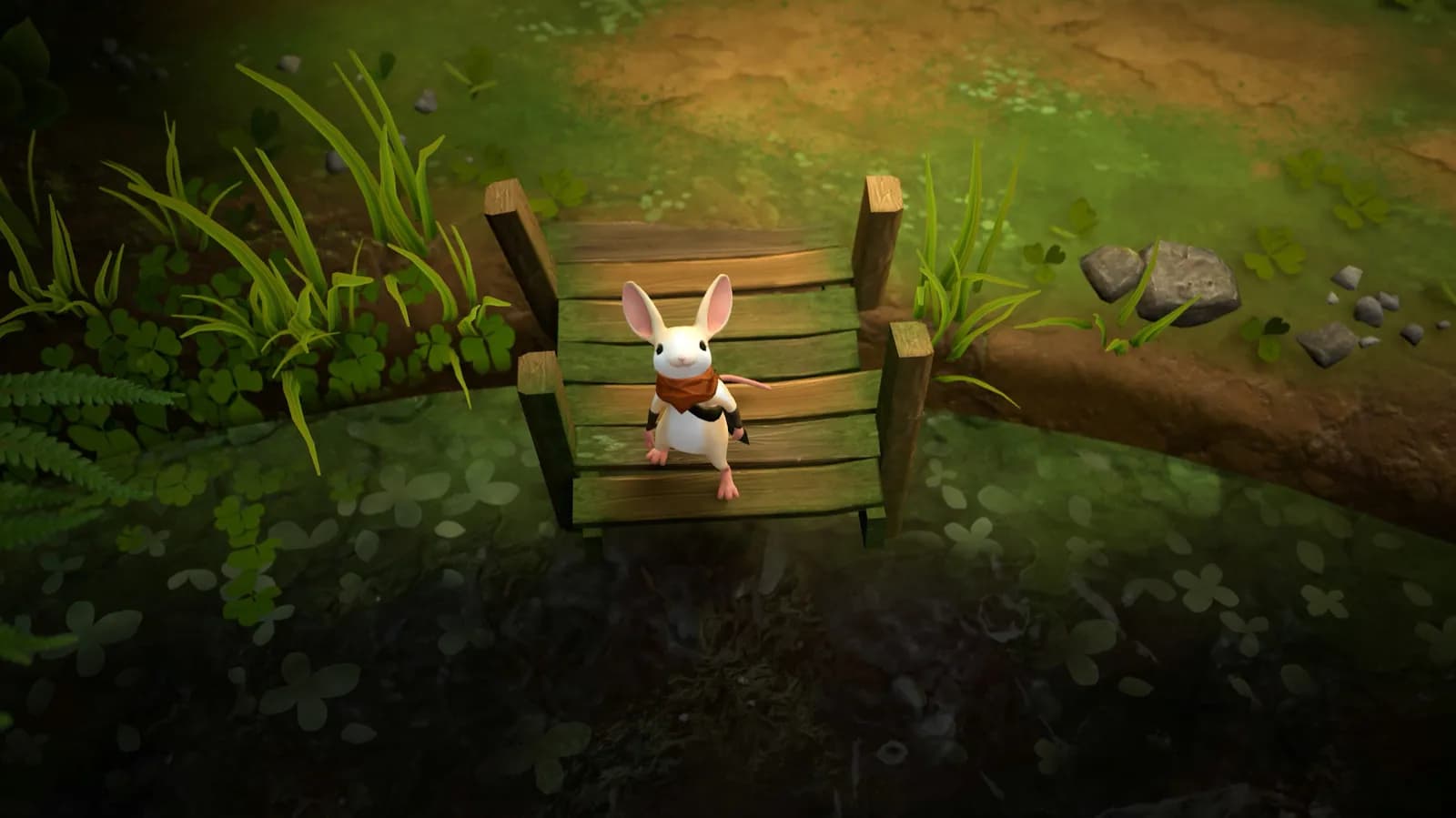
Polyarc’s flagship creation, Moss, arrived during a critical juncture for virtual reality. Released initially for early-generation platforms like PlayStation VR and Oculus, the title redefined how players interacted with virtual environments by combining traditional third-person platforming with an immersive, God-game perspective. Players guided a brave little mouse named Quill through breathtaking dioramas, solving puzzles and engaging in combat while physically leaning into the world to uncover secrets.
This innovative design philosophy earned the studio widespread critical adoration and established a loyal player base that spanned multiple hardware generations. When subsequent platforms like PlayStation VR2 and Meta Quest arrived, Polyarc was consistently among the first high-profile developers to leverage upgraded capabilities, delivering enhanced visual fidelity, responsive haptics, and deeper immersion. Their portfolio proved that VR did not have to rely solely on first-person shooters to capture imaginations.
The Brutal Economics of Medium-Scale VR Development
Despite critical acclaim and a devoted community, developing premium virtual reality software remains a notoriously difficult commercial hurdle. The addressable market for dedicated VR headsets is significantly smaller than traditional PC or console ecosystems, limiting potential return on investment. As production values, engine licensing fees, and team sizes scale up to meet modern gamer expectations, the financial runway required to sustain a mid-sized studio narrows dangerously.
Furthermore, shifting funding landscapes and cautious publisher investments have compounded the pressure on independent developers. Hardware manufacturers frequently subsidize software development early in a device's lifecycle to drive unit sales, but these funding pipelines are inherently unstable. When platform holders pivot or reduce external backing, studios reliant on those partnerships are often left exposed to sudden liquidity crunches.
Beyond immediate funding, discoverability in modern digital storefronts poses a relentless challenge. With thousands of titles competing for attention, standout narrative games requiring substantial financial investment struggle to cut through the noise of crowded marketplaces. For a studio like Polyarc, maintaining high production standards while navigating these systemic market friction points ultimately proved unsustainable.
Developer and Industry Impact
The loss of Polyarc reverberates far beyond the immediate fan base, sending ripples through the broader game development community. Independent creators looking toward spatial computing and immersive media are watching closely, evaluating the long-term viability of building narrative-driven experiences for specialized headsets. When a studio with proven pedigree and universally praised IP struggles to survive, it forces a hard reassessment of financial risk management in the sector.
For developers, the situation underscores the harsh trade-offs between artistic ambition and commercial survival. Many independent teams are now exploring alternative monetization strategies, cross-platform releases that bridge flat-screen and virtual reality, or leaner remote-first operational models to mitigate overhead. The closure dampens enthusiasm for pure-play immersive development, potentially steering future talent toward safer, more diversified gaming markets.
Navigating the Path Forward for Spatial Entertainment
As the industry digests this news, questions naturally arise about the future stewardship of Polyarc’s cherished catalog. Intellectual property in liquidation or restructuring scenarios often faces uncertain futures, leaving fans to wonder whether Quill’s adventures will ever find continuation under new creative leadership. The preservation of these pioneering VR titles becomes an immediate concern for digital historians and players alike.
More broadly, the ecosystem must confront the structural gaps that allow critically adored studios to slip away. Sustainable growth in spatial computing requires more than just innovative hardware iterations; it demands robust developer support systems, healthier platform economics, and predictable funding models that protect creative visionaries from the volatile swings of emerging tech adoption curves.
Closing Thoughts
The winding down of Polyarc is a significant blow to the ecosystem of narrative-driven virtual reality. By proving that VR could deliver intimate, emotionally compelling stories featuring unforgettable characters, the studio permanently enriched the medium. As the industry recalibrates in the wake of their departure, the legacy of their work will continue to inspire developers daring to build imaginative worlds within the constraints of new digital frontiers.
Source: engadget.com