
The Invisible Giant: Why Xiaomi Bypasses the Lucrative US Smartphone Market

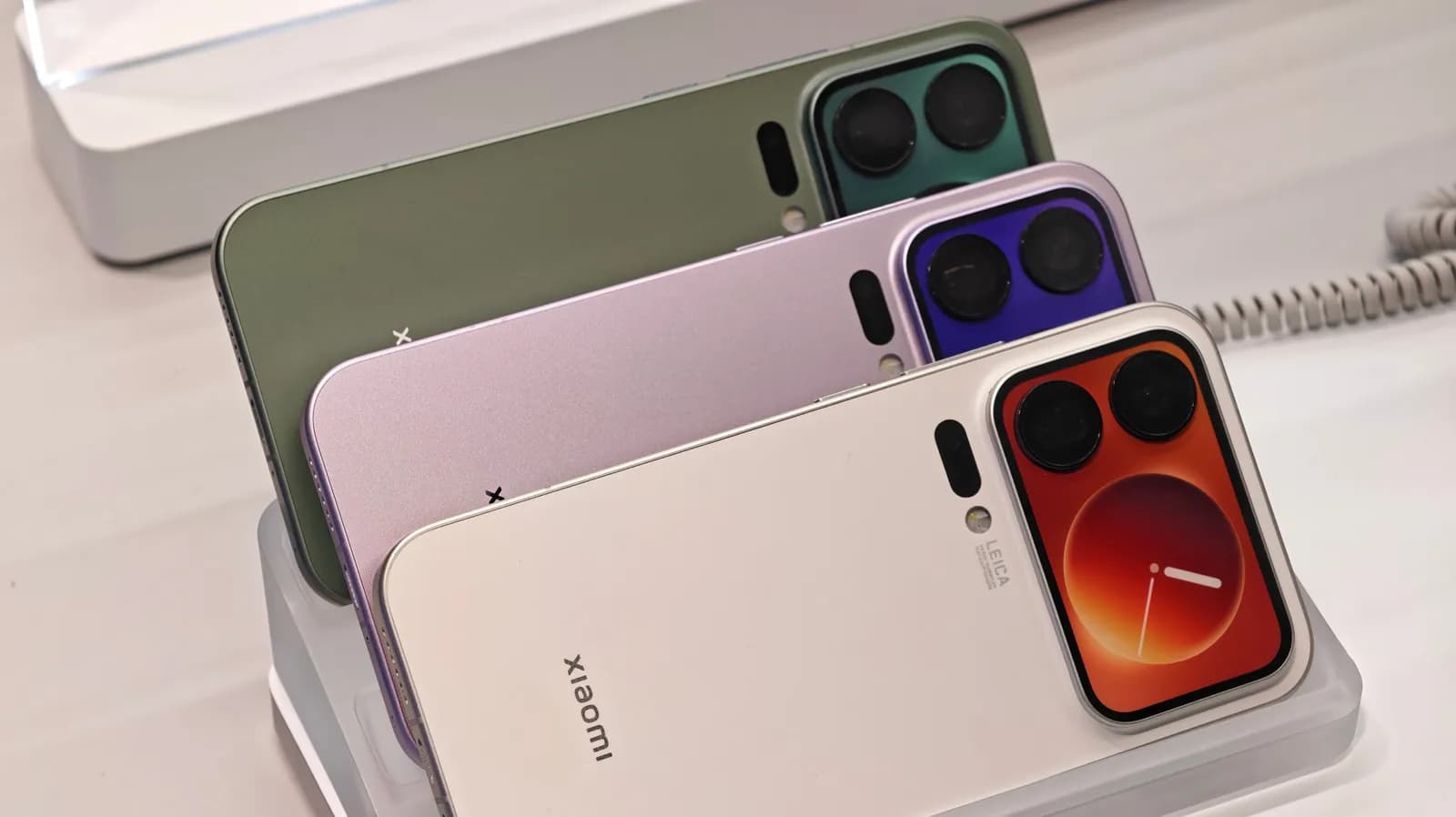
Walk into any major retail electronics store or carrier outlet in the United States, and the smartphone landscape looks remarkably uniform. You will find rows of iPhones, a dominant display of Samsung Galaxy devices, a modest selection of Google Pixels, and perhaps a few budget offerings from Motorola or OnePlus. Yet, on the global stage, the hierarchy is vastly different. Xiaomi, the Beijing-headquartered electronics titan, consistently battles Apple and Samsung for a spot in the top three global smartphone manufacturers, occasionally even claiming the number-one crown in global shipment volume.
For tech enthusiasts in North America, this creates a bizarre paradox. Xiaomi produces some of the most critically acclaimed hardware in the industry, from ultra-premium camera powerhouses co-engineered with Leica to highly competitive budget devices that offer flagship-level specifications at a fraction of the cost. Crucially, unlike its domestic rival Huawei, Xiaomi is not banned from doing business in the United States. The company is legally permitted to import and sell its devices to American consumers. Yet, it chooses not to. Understanding why Xiaomi remains an invisible giant in the US requires looking beyond simple politics and examining the complex web of carrier dominance, intellectual property law, and razor-thin business margins.
The Legal Distinction: Not Quite Huawei
To understand Xiaomi’s absence from the US, one must first clear up a common misconception: Xiaomi is not subject to the same crippling trade restrictions as Huawei. In 2019, Huawei was placed on the US Department of Commerce’s Entity List, effectively cutting it off from American supply chains, most notably preventing it from licensing Google Mobile Services (GMS) and sourcing advanced semiconductors. This move effectively decimated Huawei's smartphone business outside of China.
Xiaomi’s history with US regulators is quite different. In the final days of the Trump administration in early 2021, the US Department of Defense designated Xiaomi as a "Communist Chinese Military Company," which would have forced American investors to divest their holdings in the firm. Rather than accepting the designation, Xiaomi took the rare and aggressive step of suing the US government in federal court. The company argued the designation was arbitrary and capricious. A federal judge agreed, granting an injunction and ultimately forcing the Department of Defense to remove Xiaomi from the blacklist. Today, Xiaomi operates with a clean legal slate in the US, free to license Android from Google and purchase chips from Qualcomm.
The Iron Grip of US Telecom Carriers
If the legal pathway is clear, the commercial pathway is blocked by a structural barrier unique to the American market: the absolute dominance of telecommunications carriers. In Europe and Asia, consumers are highly accustomed to buying "unlocked" smartphones directly from retailers or manufacturers and simply inserting their SIM cards. In these open markets, a brand can establish a foothold by selling online or partnering with traditional retail chains.
In the United States, however, upwards of 80% to 90% of smartphones are purchased directly through carriers like T-Mobile, Verizon, and AT&T, usually bundled with multi-year service contracts, trade-in promotions, and device financing plans. For a smartphone manufacturer to succeed in the US, it must secure a partnership with these carriers. This is an incredibly expensive and grueling process. Carriers require extensive, specialized hardware testing to ensure compatibility with their specific network bands—including complex millimeter-wave 5G technologies. They also demand customized software configurations, bloatware integration, and long-term software maintenance commitments. For Xiaomi, the cost of certifying a device lineup for US carriers, without any guarantee of strong sales, represents a massive financial risk.
The Low-Margin Dilemma
Even if Xiaomi were willing to navigate the carrier certification gauntlet, its fundamental business model clashes with the realities of the US retail ecosystem. In 2018, Xiaomi’s founder, Lei Jun, famously announced a permanent pledge to the company's users: the company would forever cap its net profit margin on hardware products—including smartphones, IoT devices, and lifestyle products—at 5%. If the margin exceeded that cap, Xiaomi promised to find a way to return the excess to its customers.
This low-margin, high-volume strategy has worked wonders in developing economies and price-sensitive European markets. However, the US market is built on high margins and heavy subsidies. US carriers expect significant wholesale discounts, marketing co-op funds, and retail incentives to push a brand's devices. When a carrier finances a phone over 36 months, they are absorbing upfront costs that they expect to recoup through service fees and hardware margins. A manufacturer operating on a self-imposed 5% hardware margin simply does not have the financial buffer to play the expensive game of US retail promotion, where marketing budgets and retail slotting fees can run into the hundreds of millions of dollars.
The Patent Minefield
Another silent but formidable barrier keeping Xiaomi out of the US is the threat of intellectual property litigation. The United States is notoriously litigious, particularly when it comes to technology patents. Established giants like Apple, Samsung, and Ericsson hold vast portfolios of essential patents covering everything from wireless communication protocols to user interface designs. Additionally, the US is home to numerous non-practicing entities (often referred to as "patent trolls") that exist solely to sue hardware makers for patent infringement.
When a foreign smartphone manufacturer enters the US market, it immediately paints a target on its back. Established players and patent holding firms routinely file lawsuits to block sales or demand hefty licensing royalties. For an established player like Samsung, these lawsuits are a cost of doing business, managed by army-sized legal departments and offset by high device margins. For Xiaomi, entering the US would mean exposing itself to a barrage of lawsuits that could tie up its executive leadership, drain its resources, and ultimately force it to pay royalties that would completely wipe out its thin profit margins.
Software, Ecosystem, and the Developer Perspective
From a software and developer standpoint, Xiaomi's business model relies heavily on its proprietary Android skin, formerly known as MIUI and recently rebranded as HyperOS. In markets like China, where Google services are banned, Xiaomi monetizes its devices through its own app store, cloud services, theme shops, and integrated advertisements within the operating system. This services revenue is what allows the company to offset its low hardware margins.
In the United States, this software monetization strategy is virtually impossible to execute. American consumers are deeply entrenched in the Google and Apple ecosystems. They expect their Android phones to be clean, ad-free, and deeply integrated with Google Play, YouTube, and Google Assistant. If Xiaomi were to strip its operating system of ads and services to appease sensitive US consumers, it would lose its primary mechanism for profitability. Furthermore, US developers write apps optimized primarily for iOS and mainstream US Android builds. Ensuring that American apps run flawlessly on HyperOS’s aggressive battery management and proprietary background services would require constant developer relations efforts that Xiaomi is currently not equipped to support in North America.
Where Xiaomi Wins Instead
Ultimately, Xiaomi’s decision to bypass the US is a matter of strategic resource allocation. The global smartphone market is vast, and the US is far from the only lucrative region. Xiaomi has strategically focused its efforts on regions where the barriers to entry are lower and the demand for high-value, budget-friendly devices is higher.
- Europe: By focusing on open-market retail channels and selective carrier partnerships, Xiaomi has captured massive market share in countries like Spain, Italy, and Poland.
- India: Xiaomi spent years as the number-one smartphone brand in India, leveraging localized manufacturing and aggressive online flash sales to capture a newly digital population.
- Latin America and Southeast Asia: In rapidly developing markets, Xiaomi’s value proposition is unmatched, allowing it to build brand loyalty among millions of first-time smartphone buyers.
By focusing on these high-growth regions, Xiaomi has achieved massive global scale without ever needing to spend a single dollar fighting for shelf space in a T-Mobile or Verizon store.
The Strategic Takeaway
Xiaomi’s absence from the United States is not a story of regulatory defeat, but rather a masterclass in pragmatic business strategy. The company recognized early on that the US smartphone market is a highly protected, carrier-dominated oligopoly that rewards high-margin luxury brands and punishes low-margin disruptors. By choosing not to engage in a costly, politically sensitive, and legally risky battle for American consumers, Xiaomi has preserved its resources to dominate the rest of the world. While US tech enthusiasts may continue to import Xiaomi flagships through third-party channels, a mainstream launch remains highly unlikely. For Xiaomi, the American dream is simply not worth the price of admission.
Source: engadget.com