
The Hardware Fragmentation Era: What the Latest Wave of Specialized Devices Means for Developers

The Shift Away from the All-in-One Device
For over a decade, the smartphone was the undisputed center of the consumer technology universe. It swallowed cameras, portable gaming consoles, GPS navigators, and MP3 players, consolidating them into a single piece of glass. However, recent industry trends suggest we are entering a post-smartphone consolidation era. Consumers are increasingly demanding dedicated, hyper-specialized hardware designed to do one thing exceptionally well, rather than everything passably. This shift is highlighted by the latest wave of hardware reviews, which spotlight highly focused devices like the Oura Ring 5, the Samsung Music Studio 7, and the ongoing evolution of Steam-based gaming ecosystems.
For software developers and system architects, this hardware fragmentation represents both an exciting frontier and a complex engineering challenge. No longer can a development team rely solely on standard responsive web design or generic mobile app frameworks. Today’s software must adapt to screenless wearables, low-latency audio processors, and custom Linux-based gaming environments. Understanding the underlying technology of these specialized devices is crucial for building software that remains relevant in this diversifying ecosystem.
The Open-Source Triumph in Living Room and Portable Gaming
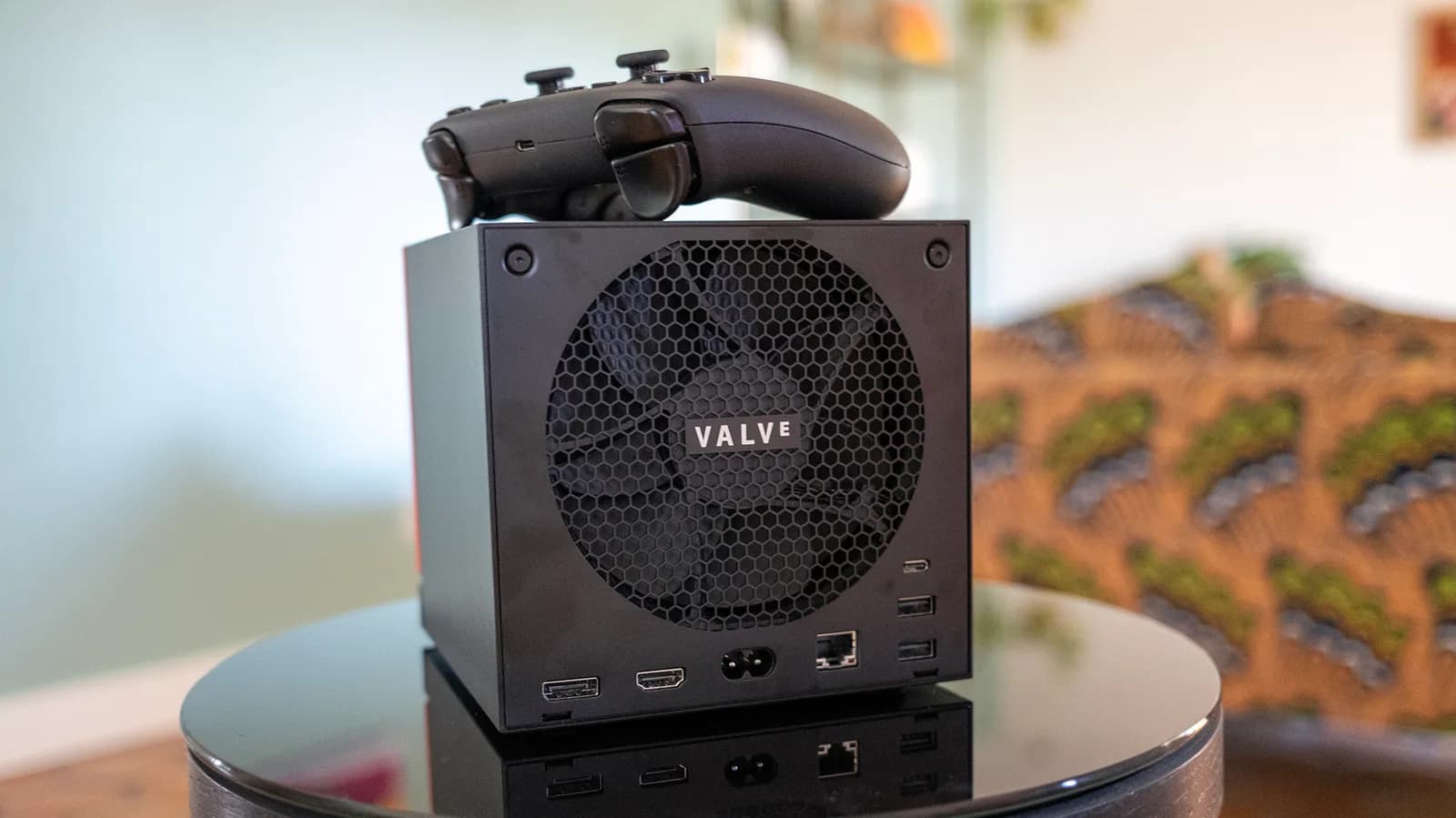
The evolution of Steam-based hardware—moving from the early, ambitious failures of the original Steam Machines to the massive success of modern handheld gaming PCs—is a masterclass in how software compatibility layers can save a hardware ecosystem. Historically, developers had to choose between targeting the massive but fragmented Windows PC market or the highly locked-down console ecosystems. Valve’s investment in Proton, a compatibility layer that allows Windows-based games to run on Linux, changed the rules of the game entirely.
This technological shift means that developers no longer need to write native Linux ports for their software to run on open-source hardware. Instead, they must optimize for specific hardware profiles, power envelopes, and input configurations. The success of these devices proves that consumers value open ecosystems where their existing software libraries carry over, rather than closed gardens that force them to rebuy content. For developers, this underscores the importance of optimizing for Vulkan APIs, ensuring robust controller mapping, and building scalable UI systems that look as good on a seven-inch handheld screen as they do on a 65-inch living room television.
Ambient Computing and the Screenless Wearable Challenge
On the opposite end of the visual spectrum lies the rise of ambient, screenless wearables, epitomized by the Oura Ring 5. Unlike smartwatches that constantly clamor for user attention with vibrating notifications and bright displays, smart rings operate silently in the background. They represent a philosophy of "ambient computing," where technology integrates seamlessly into daily life without requiring active cognitive engagement.
Developing software for a screenless, sensor-rich device presents unique engineering hurdles. First and foremost is battery life and power management. Because these devices must remain small and lightweight, their batteries are microscopic compared to smartphones. Developers writing firmware or companion app sync protocols must design highly efficient data-transmission algorithms. Instead of constant real-time streaming, data must be batched, compressed, and transmitted using low-energy Bluetooth protocols during optimal windows. Furthermore, without a screen, the user experience relies entirely on the companion application, requiring developers to transform raw biometric data—like heart rate variability, skin temperature, and sleep phases—into intuitive, actionable insights without overwhelming the user.
Dedicated Creative Hardware and the Low-Latency Demand
While wearables focus on passive monitoring, creative tools like the Samsung Music Studio 7 target active, high-performance production. The market for dedicated audio and video creation hardware has exploded, driven by the creator economy and a growing appreciation for tactile, physical interfaces over touchscreens. These devices combine specialized digital signal processors (DSPs) with physical knobs, sliders, and low-latency audio routing to give musicians and producers a seamless workflow.
For developers working in the audio and creative space, the primary enemy is latency. Operating systems like Android have historically struggled with audio latency due to the complex software layers between the application and the hardware. Building software for dedicated music workstations requires deep integration with low-level audio APIs, such as AAudio or custom driver stacks. Developers must write highly optimized C++ code, bypass standard OS audio mixers, and ensure that real-time digital signal processing can occur in milliseconds without audio dropouts or system stutters. The demand for physical-digital integration also means developers must support complex MIDI mapping and proprietary hardware communication protocols.
The Developer’s Dilemma: Navigating API and Platform Fragmentation
As consumer hardware continues to splinter into these specialized categories, developers face a growing dilemma: how to support a wide array of unique devices without bankrupting their development budgets. In the early days of mobile, cross-platform frameworks like React Native and Flutter promised a "write once, run anywhere" future. However, these frameworks are often ill-equipped to handle the deep, hardware-specific integrations required by modern specialized devices.
To succeed in this new landscape, development teams must adopt a modular architecture. By decoupling the core business logic of an application from the platform-specific user interface and hardware integration layers, developers can deploy their software across diverse form factors. For example, a health and fitness platform might have a single cloud-based analytical engine, but utilize entirely separate, highly optimized client applications for a smart ring, a smartwatch, a web dashboard, and a mobile app. This modular approach ensures that each device can leverage its unique hardware strengths without compromising the overall system architecture.
Security, Privacy, and Local-First Computing
With specialized devices collecting increasingly sensitive data—ranging from intimate biometric metrics to real-time creative intellectual property—security and privacy have become paramount. Consumers are growing wary of sending all of their personal data to the cloud for processing, leading to a massive push toward "local-first" computing. Modern hardware is increasingly equipped with dedicated neural processing units (NPUs) designed to run machine learning models directly on the device.
For developers, this means shifting from cloud-based AI APIs to local, on-device inference. Running algorithms locally not only protects user privacy by keeping sensitive data on the device, but it also eliminates latency and allows the device to function offline. Whether it is analyzing sleep patterns on a smart ring or processing real-time audio effects on a music workstation, the future of software development lies in optimizing code to run efficiently on edge silicon. This requires familiarity with lightweight machine learning frameworks, such as TensorFlow Lite or ONNX Runtime, and a commitment to local-first data synchronization strategies.
The Future of the Hardware-Software Synergy
The era of the monolithic smartphone is giving way to a rich, diverse ecosystem of specialized hardware. Whether it is the open-source gaming freedom of Steam-compatible devices, the ambient health tracking of the Oura Ring 5, or the tactile precision of the Samsung Music Studio 7, consumers are choosing devices that align with their specific lifestyles and passions. For the developer community, this is a call to move beyond generic software design and embrace the unique constraints and opportunities of specialized hardware.
Ultimately, the most successful software of the next decade will not be the most universal, but the most adaptable. By focusing on low-latency performance, local-first privacy, modular architecture, and deep hardware integration, developers can build experiences that feel native, intuitive, and indispensable, regardless of the form factor they inhabit. The hardware renaissance is here, and it is up to developers to write the code that brings it to life.
Source: engadget.com