
The Ethics of Sponsorship: Why GDQ Cut Ties with SNK

The Intersection of Gaming and Geopolitics
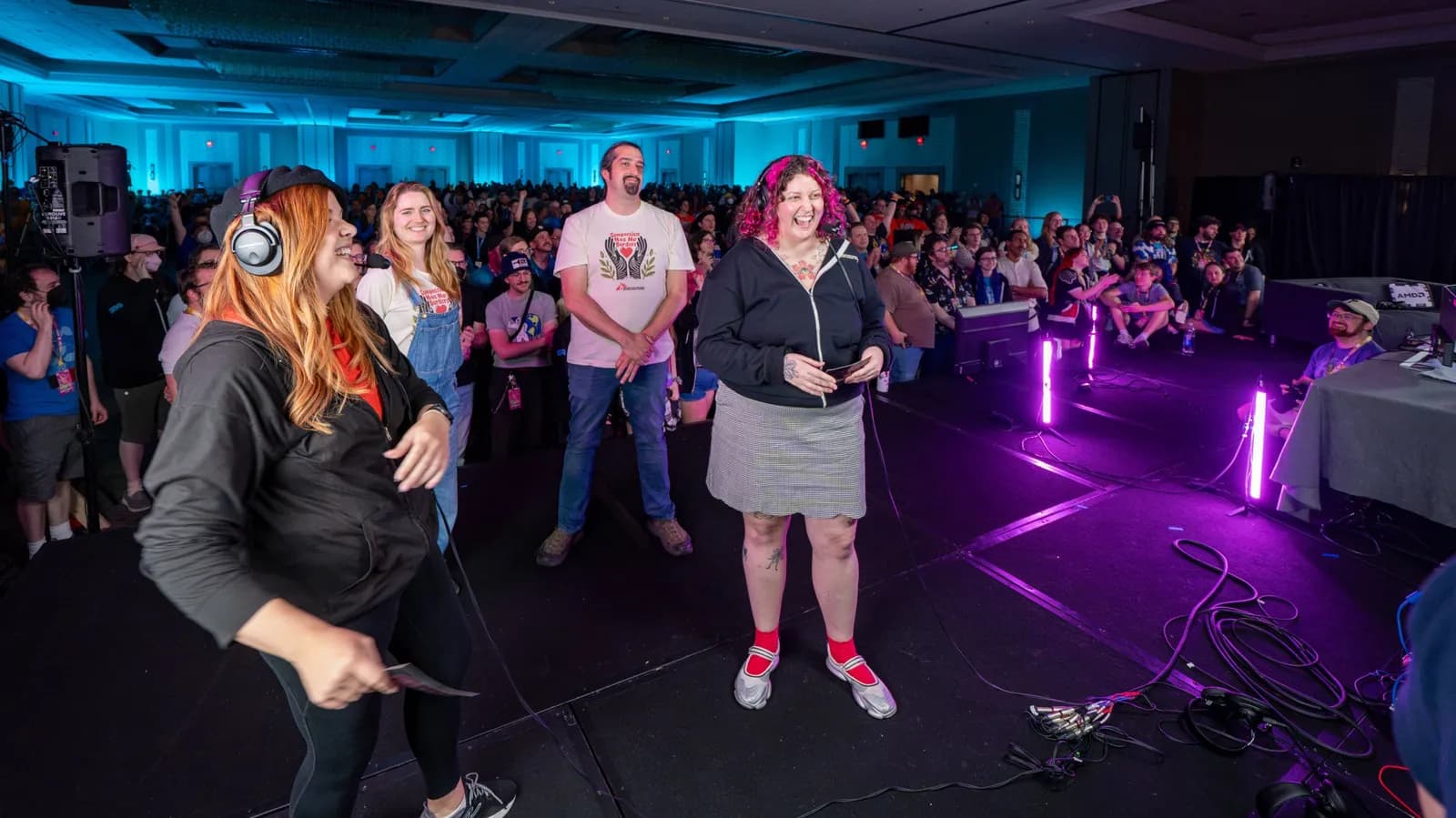
The world of speedrunning has long been defined by community-driven charity events, most notably Games Done Quick (GDQ). These marathons have raised millions for organizations like the Prevent Cancer Foundation and Doctors Without Borders, turning niche gaming hobbies into a global philanthropic force. However, the recent decision by GDQ to abruptly cancel a scheduled stream featuring SNK—a legendary Japanese developer known for titles like The King of Fighters and Metal Slug—has highlighted the increasingly complex intersection of corporate ownership, human rights, and the gaming industry.
This move was not merely a scheduling conflict or a technical glitch; it was a firm ethical stance. By publicly announcing that they would no longer accept funds from or collaborate with SNK, GDQ has signaled that the source of a company's capital is now a critical factor in their partnership vetting process. This decision forces a broader conversation about how independent organizations navigate the influx of sovereign wealth into the gaming sector.
Understanding the SNK Ownership Structure
To understand why this cancellation occurred, one must look at the ownership of SNK. In recent years, the Electronic Gaming Development Company (EGDC), which is a subsidiary of the MiSK Foundation, has acquired a significant majority stake in SNK. The MiSK Foundation is a non-profit organization established by Crown Prince Mohammed bin Salman of Saudi Arabia. This connection is the crux of the controversy, as the Saudi government has faced persistent and intense international scrutiny regarding its human rights record.
For many in the gaming community, the distinction between a Japanese development studio and its ultimate parent organization has become blurred. As Saudi Arabia continues to invest heavily in the global gaming and esports landscape through its Public Investment Fund (PIF) and related entities, organizations like GDQ are finding themselves in a position where they must decide whether to accept the "taint" of association with these regimes in exchange for the financial stability that such partnerships provide.
The Weight of Community Values
GDQ is unique because its identity is deeply rooted in its community. Unlike massive corporate esports leagues that are often beholden to shareholders and advertisers, GDQ relies on the trust and participation of its viewers and runners. If the community perceives that the event is being used to launder the reputation of a regime with a poor human rights record, the backlash can be swift and damaging to the brand's credibility.
By cutting ties with SNK, GDQ is prioritizing its alignment with the values of its audience over the potential revenue or promotional opportunities that a partnership with a major publisher might offer. This is a classic example of "values-based decision making." For a non-profit-adjacent entity, maintaining a clean reputation is the most valuable asset they possess, and they clearly determined that the risk of alienating their core demographic outweighed the benefits of the SNK collaboration.
Implications for the Broader Gaming Industry
This incident serves as a bellwether for the rest of the gaming industry. As sovereign wealth funds continue to pour billions into game studios, publishers, and tournament organizers, other entities will inevitably face similar dilemmas. We are moving toward a reality where "neutral" business partnerships are becoming increasingly difficult to maintain. Developers and event organizers can no longer claim ignorance about the ultimate beneficiaries of their corporate structures.
The industry is currently witnessing a polarization. On one side, there are organizations that are willing to accept investment regardless of the source, viewing it as a necessary evil to scale operations in a hyper-competitive market. On the other side, we see a growing movement of creators and organizers who are drawing "red lines" around their partnerships. The GDQ-SNK fallout suggests that the latter group is gaining influence, forcing publishers to consider how their ownership might impact their ability to engage with grassroots communities.
The Developer's Perspective on Corporate Ethics
For individual developers and small studios, this situation creates a precarious environment. Many developers work for companies that are owned by larger conglomerates with complex, opaque, or controversial financial backing. If the industry begins to adopt a policy of "guilt by association," it could lead to a scenario where talented developers are penalized for the actions of their parent companies, over which they have no control.
However, from a developer's perspective, this also highlights the importance of due diligence. When joining a studio or entering a partnership, understanding the financial architecture of the organization is becoming a professional necessity. The GDQ incident serves as a reminder that in the modern digital age, your work is inextricably linked to the entity that funds it. Developers must now weigh the creative freedom and stability of a job against the ethical implications of the capital fueling their projects.
Looking Toward the Future
What happens next in the wake of this cancellation remains to be seen. It is unlikely that this will stop the flow of investment into gaming, as the sector remains highly profitable and strategically important for nations looking to diversify their economies. However, it does set a precedent for how public-facing gaming events will handle these relationships moving forward. We can expect more transparency requirements and perhaps more rigorous vetting processes for sponsors in the future.
Ultimately, the decision by GDQ to walk away from SNK is a significant moment in the maturation of the gaming industry. It demonstrates that the community is no longer willing to treat gaming as a siloed activity, separate from the realities of global politics. As the industry continues to grow, the pressure on organizations to act ethically will only intensify, and those who fail to align their partnerships with their stated values will likely find themselves on the outside looking in.
Final Thoughts
The cancellation of the SNK stream is a clear signal that the era of "gaming for gaming's sake" is evolving into something more complex. By choosing to prioritize its ethical integrity, GDQ has set a high bar for accountability. While this may cause friction in the short term, it reinforces the idea that in a connected world, every dollar carries a message, and organizations must be prepared to stand by the ones they choose to accept.
Source: engadget.com