
The Engineering Behind Modern Kitchen Composters: How IoT and Thermodynamics Are Redefining Waste

The Evolution of Indoor Waste Management
For decades, residential organic waste management was a binary choice. Homeowners could either toss their food scraps into the trash—where they would eventually end up in a landfill, decomposing anaerobically and releasing potent greenhouse gases like methane—or they could maintain an outdoor compost pile. For urban dwellers, apartment residents, or those living in colder climates, the latter option was practically impossible. Traditional indoor composting attempts usually involved passive, under-sink bins that quickly became breeding grounds for fruit flies, mold, and unpleasant odors.
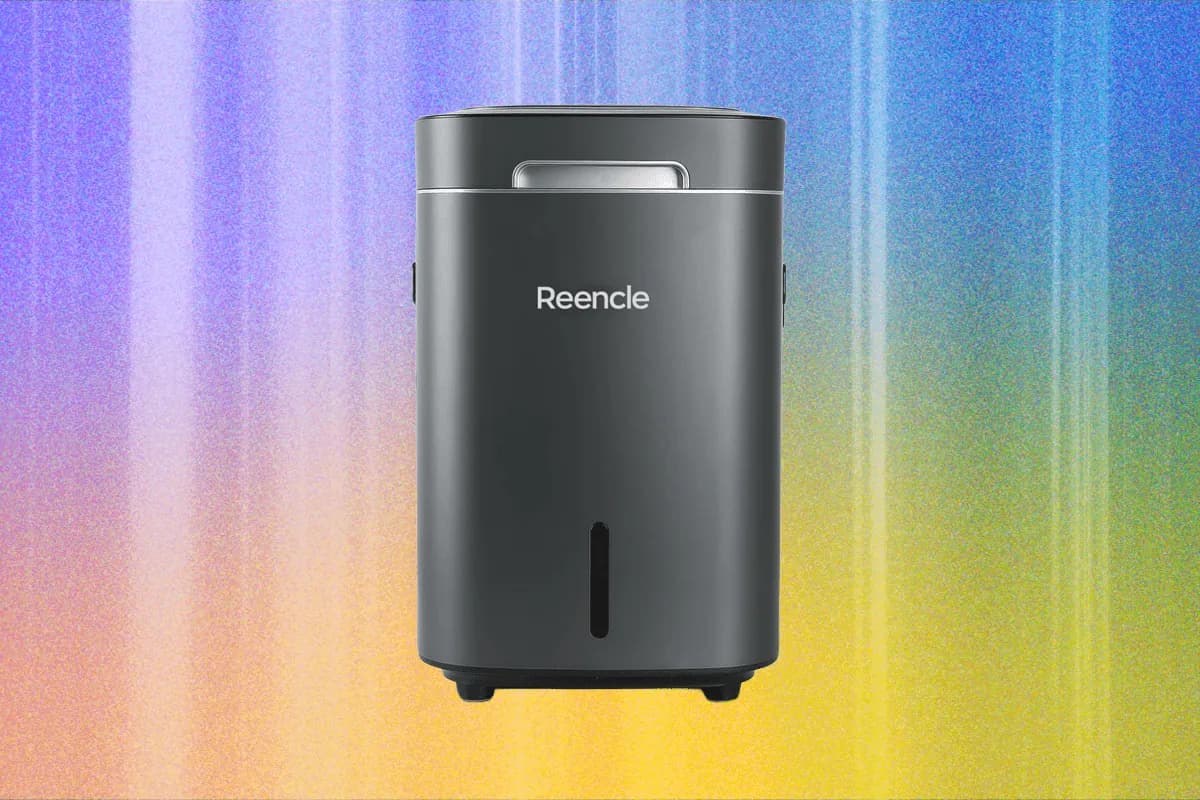
However, the intersection of consumer electronics, thermodynamics, and smart home technology has birthed a new category of household appliances: the electric food recycler and smart kitchen composter. These devices are designed to sit on a countertop or in a utility closet, quietly transforming organic waste into a dry, nutrient-rich soil amendment in a matter of hours. By applying precise thermal control, mechanical agitation, and advanced filtration, these modern appliances have turned a messy biological process into a clean, automated appliance cycle.
Dehydration vs. Composting: The Technical Distinction
To understand the engineering of these devices, it is vital to distinguish between true biological composting and rapid food recycling. True composting is an aerobic biological process that relies on microorganisms (bacteria and fungi) to break down organic matter over weeks or months. This process requires a specific balance of carbon, nitrogen, moisture, and oxygen. Some high-end indoor appliances do attempt to facilitate this biological process by maintaining optimal temperatures for microbial cultures and introducing specialized inoculants.
The majority of popular consumer "composters" on the market today, however, are technically electric food dehydrators and grinders. These devices operate by heating the food waste to temperatures high enough to evaporate moisture while heavy-duty blades grind the material into a fine, uniform consistency. This sterilization process halts decomposition, neutralizes pathogens, and reduces the volume of the waste by up to 90 percent. The resulting output is not yet fully matured compost, but rather a stable, dry organic substrate that can be mixed into garden soil, where soil microbes will quickly finish the decomposition process without the associated odors or pests.
Under the Hood: The Hardware Architecture
From a hardware engineering perspective, an electric food recycler is a sophisticated thermal and mechanical system. The core of the device consists of a heavy-duty, non-stick bucket surrounded by heating elements. These elements must be capable of reaching and maintaining specific temperature zones—typically starting with a moderate heat phase to drive off water vapor, followed by a higher-heat sterilization phase to kill seeds, pathogens, and weed spores.
Simultaneously, a high-torque motor drives a central grinding shaft equipped with cast-metal impellers. Because food waste varies wildly in density and moisture content—ranging from soft banana peels to tough chicken bones—the motor and gearbox must be engineered to handle high resistance without stalling. Many manufacturers utilize brushless DC (BLDC) motors coupled with planetary gearboxes to maximize torque while minimizing noise and physical footprint. Additionally, the housing must be heavily insulated to keep the exterior of the appliance cool to the touch and to prevent heat loss, which would degrade the energy efficiency of the cycle.
Sensors, Algorithms, and the IoT Layer
What elevates these devices from simple heating buckets to smart appliances is their sensor array and control firmware. A basic timer-based cycle would be highly inefficient, either running too long and wasting electricity on dry material, or ending too early and leaving behind damp, rot-prone sludge. To solve this, modern food recyclers employ closed-loop feedback systems.
Microcontrollers monitor several key variables throughout the cycle:
- Temperature Probes: Thermistors monitor the internal temperature of the bucket and the exhaust air to ensure the system stays within safe operating limits and achieves sterilization.
- Moisture and Humidity Sensors: Relative humidity sensors in the exhaust path track the rate of evaporation. A sharp drop in exhaust humidity indicates that the dehydration phase is nearing completion.
- Motor Current Sensing: By monitoring the current drawn by the grinding motor, the firmware can estimate the physical state of the waste. As the food dries and crumbles, the resistance on the blades decreases, leading to a drop in motor current. When both moisture levels and motor resistance stabilize, the algorithm determines the cycle is complete and automatically shuts down the device.
Furthermore, many of these appliances now feature Wi-Fi connectivity. This allows users to monitor cycle progress, receive maintenance alerts (such as when to replace carbon filters), and track their environmental impact through companion mobile applications. For developers and smart home enthusiasts, this connectivity opens the door to local integrations with platforms like Home Assistant, enabling automated cycles during off-peak electricity hours.
Managing Odor: The Chemistry of Carbon Filtration
Perhaps the greatest engineering challenge in designing an indoor food recycler is odor control. Heating a mixture of coffee grounds, rotting vegetables, and leftover proteins naturally produces volatile organic compounds (VOCs) and moisture that would quickly make a kitchen uninhabitable. To combat this, manufacturers design complex, multi-stage filtration systems.
The primary defense is activated carbon. As the moist, hot air is pumped out of the processing chamber by an internal fan, it is forced through cartridges packed with activated charcoal pellets. The massive surface area of the carbon chemically adsorbs the odor-causing molecules. To prevent the carbon from becoming saturated with moisture—which would render it ineffective—many systems include a condensation trap or a pre-cooling phase to wring water out of the air stream before it hits the filter. Designing these airflow paths requires careful fluid dynamics modeling to ensure sufficient air exchange without creating excessive fan noise.
The Environmental Equation: Energy vs. Methane
As with any green technology, it is essential to analyze the net environmental impact of electric food recyclers. Critics point out that running a 500-watt heating and grinding appliance for four to eight hours consumes a non-trivial amount of electricity. If that electricity is generated by burning fossil fuels, does the carbon footprint of the energy consumed outweigh the benefits of keeping food waste out of landfills?
The answer generally favors the appliance, but with nuances. When organic waste decomposes in a landfill, it does so anaerobically, producing methane (CH4), which is roughly 28 to 36 times more potent than carbon dioxide (CO2) at trapping heat in the atmosphere over a 100-year timescale. In contrast, running an electric recycler produces a small amount of CO2 (both from the electricity used and the eventual aerobic decomposition of the dry output). In regions with relatively clean or decarbonizing electrical grids, the net greenhouse gas reduction of diverting food waste from landfills via electric processing is highly favorable. However, for users on highly carbon-intensive grids, the environmental benefit is narrower, highlighting the ongoing need for appliance manufacturers to optimize thermodynamic efficiency.
The Developer and Maker Perspective
For the developer and maker community, the rise of smart kitchen composters represents an exciting frontier in home automation and custom hardware hacking. The sensors embedded in these devices generate valuable telemetry data. By exposing local APIs or integrating with open standards like Matter, manufacturers could allow developers to write custom automations. For example, a smart home system could delay starting a recycling cycle until solar panels are producing excess energy, or run the cycle only when local grid demand is low.
Additionally, the mechanical and thermal subsystems of these appliances offer inspiration for DIY waste-reduction projects. Makers have already begun experimenting with building their own open-source shredders and dehydrators, sharing designs on platforms like GitHub and Instructables. As the technology matures and patents expire, we can expect to see a thriving ecosystem of open-source hardware modifications and custom firmware designed to optimize these devices for specific types of organic waste, such as PLA 3D printer scraps or yard waste.
Looking Ahead: The Future of Circular Home Appliances
The kitchen composter of 2026 is no longer a luxury novelty; it is rapidly becoming a standard fixture in the modern, sustainable home. As municipalities worldwide begin mandating organic waste separation, the demand for clean, indoor pre-processing solutions will only grow. Future iterations of these devices will likely focus on reducing energy consumption through heat-pump technology, improving the longevity of carbon filters, and integrating advanced sorting mechanisms to prevent non-compostable items from damaging the machinery. By blending robust mechanical engineering with intelligent software, these appliances are proving that technology can play a vital role in closing the loop on household waste.
Source: wired.com