
The Conversational Shift: Spotify’s Move Toward AI-Driven Audio Discovery

The Evolution of Audio Discovery
For years, Spotify has relied on sophisticated algorithmic recommendation engines like 'Discover Weekly' and 'Daily Mix' to curate content for its massive user base. These systems operate on collaborative filtering and machine learning models that analyze listening habits, skipping patterns, and genre preferences. However, the platform is now taking a significant leap forward by introducing a conversational AI interface. This shift represents a transition from passive, algorithm-driven consumption to an active, intent-based discovery model where users can simply ask for what they want using natural language.
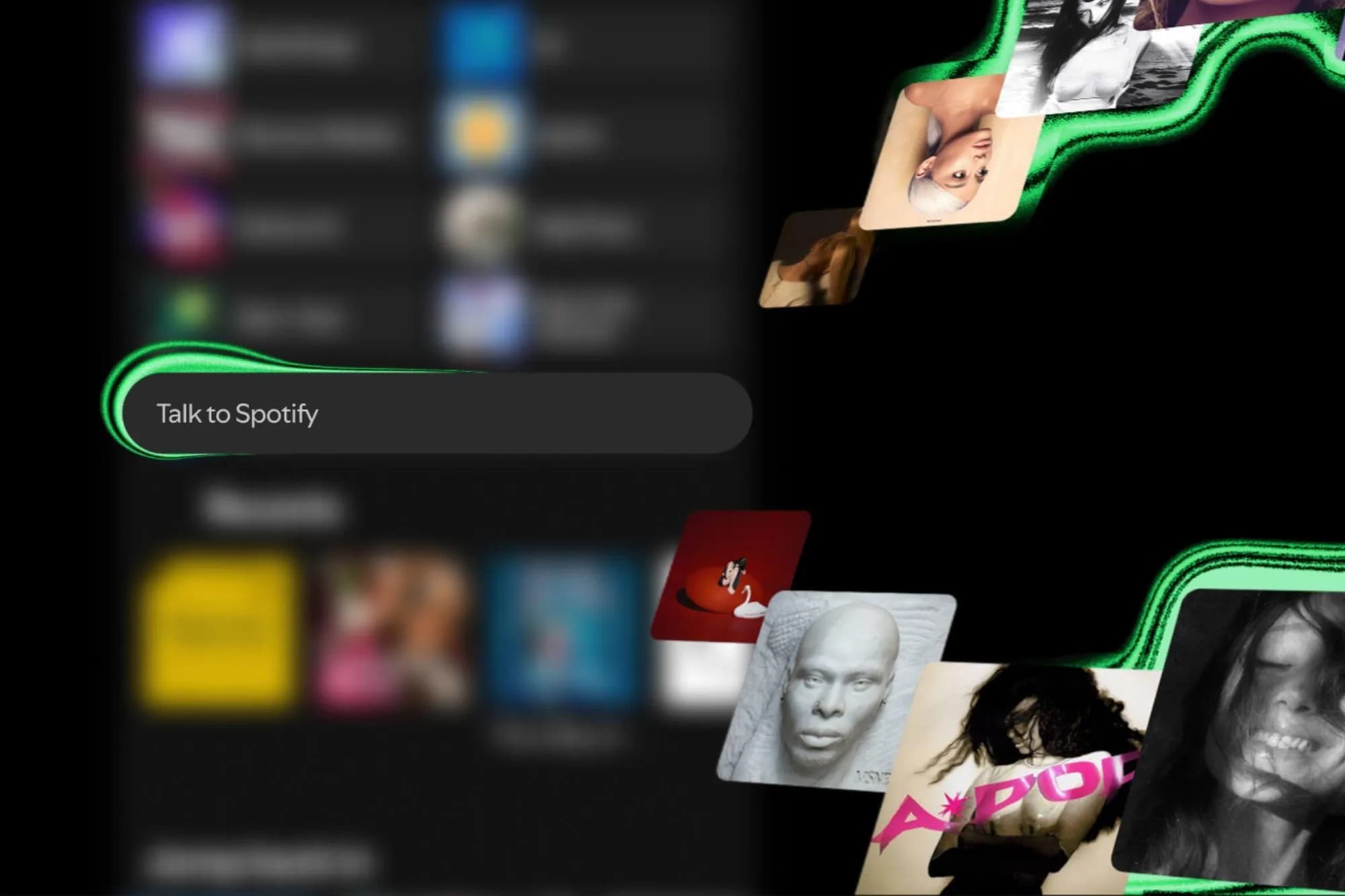
The new 'Talk to Spotify' feature, currently in testing for Premium subscribers, integrates directly into the mobile interface. By moving away from traditional search bars and static menus, Spotify is attempting to lower the friction between a user’s fleeting curiosity and the vast catalog of audio available on the platform. This is not just a change in UI; it is a fundamental shift in how users interact with their personal media libraries, moving toward a more fluid, assistant-like experience that mirrors the broader industry trend of integrating Large Language Models (LLMs) into consumer applications.
Contextualizing the AI Integration
The integration of chatbots into media platforms is part of a larger trend where tech companies are scrambling to make their services feel more 'intelligent' and personalized. While Spotify has long been a leader in data-driven personalization, the introduction of a chatbot suggests that the company is looking to solve the 'paradox of choice.' When faced with millions of songs, podcasts, and audiobooks, users often experience decision fatigue. A conversational interface acts as a curator, capable of understanding nuanced requests that a keyword search simply cannot process.
This development follows a series of AI-focused experiments from the streaming giant, including its AI DJ feature, which used generative voice technology to provide commentary on music selections. By layering a chatbot on top of its existing infrastructure, Spotify is essentially creating a bridge between its massive database of metadata and the user's intent. The goal is to make the platform feel less like a rigid database and more like a knowledgeable companion that understands context, mood, and specific requests for niche audio content.
Why This Matters for the Streaming Landscape
For the average listener, this feature promises a more intuitive way to find content. Instead of searching for a specific artist or album, a user could theoretically ask the chatbot for 'music that fits a rainy afternoon in a coffee shop' or 'podcasts that explain the history of quantum computing in under twenty minutes.' This capability changes the value proposition of the platform, transforming it from a simple playback tool into an interactive discovery engine. It also positions Spotify to compete more effectively with other tech giants who are aggressively embedding AI assistants into their ecosystems.
From a business perspective, this is a strategic move to increase user engagement and retention. By keeping users within the app for longer periods—conversing with the bot, refining their searches, and discovering new content—Spotify can gather even more granular data on user preferences. This data loop is essential for refining their recommendation algorithms further. If the chatbot can successfully guide users to content they might have otherwise missed, it increases the perceived value of the Premium subscription, making it harder for users to justify switching to a competitor.
Developer and Industry Impact
For developers and industry observers, this move highlights the growing importance of natural language processing (NLP) in consumer-facing applications. Building a chatbot that can reliably navigate a catalog as complex as Spotify’s requires more than just a standard LLM; it requires a robust retrieval-augmented generation (RAG) system that can interface with real-time metadata. This is a significant engineering challenge, as the bot must be able to parse vague user intent and map it to specific audio assets without hallucinating or providing irrelevant results.
Furthermore, this integration signals a shift in how developers should think about UI/UX design. The traditional 'search and filter' paradigm is being challenged by 'prompt and refine' workflows. As AI becomes a standard component of software, developers will need to focus on building interfaces that are conversational-first, ensuring that the AI can handle errors gracefully and provide meaningful feedback when a user's request is ambiguous. This is a major shift in the software development lifecycle, moving from deterministic UI design to probabilistic, AI-driven interactions.
Risks and Open Questions
Despite the potential benefits, the implementation of AI chatbots in music streaming is not without risks. One of the primary concerns is the accuracy and reliability of the AI. If a user asks for a specific genre or a niche podcast episode, the chatbot must be precise. If the AI consistently fails to understand the user or returns incorrect results, it could lead to significant user frustration and a decline in trust. Additionally, there are questions about how the chatbot will handle copyright and licensing, ensuring that the recommendations it provides are aligned with the complex web of agreements Spotify has with labels and creators.
Privacy is another critical consideration. As users interact with the chatbot, they are effectively providing a conversational log of their tastes, moods, and interests. How this data is stored, processed, and potentially used for targeted advertising remains a point of concern for privacy advocates. Spotify will need to be transparent about how these interactions are handled and ensure that the convenience of an AI assistant does not come at the cost of user data security or personal privacy.
The Future of Audio Interaction
Looking ahead, the 'Talk to Spotify' feature is likely just the beginning of a broader integration of generative AI across the platform. We can expect to see more sophisticated features, such as the ability to generate custom playlists based on complex emotional prompts, or even AI-assisted podcast summaries that help users decide what to listen to next. This trajectory suggests that the future of streaming is not just about access to music, but about the quality of the discovery experience.
As the technology matures, the line between a music player and a personal assistant will continue to blur. For developers, the challenge will be to maintain a balance between the efficiency of AI and the human-centric design that has made Spotify a household name. If Spotify can successfully refine this conversational interface, it will set a new standard for how we interact with digital media, moving the industry toward a future where our devices don't just play what we tell them to, but understand what we need before we even ask.
Closing Takeaway
Spotify’s experiment with a conversational chatbot marks a pivotal moment in the evolution of digital audio. By prioritizing natural language interaction, the company is betting that the future of music discovery lies in intelligence and conversation rather than just static search, setting the stage for a more personalized and intuitive streaming experience.
Source: theverge.com