
Smart Bird Feeders Are Transforming Backyard Wildlife Monitoring

Introduction to Connected Ornithology
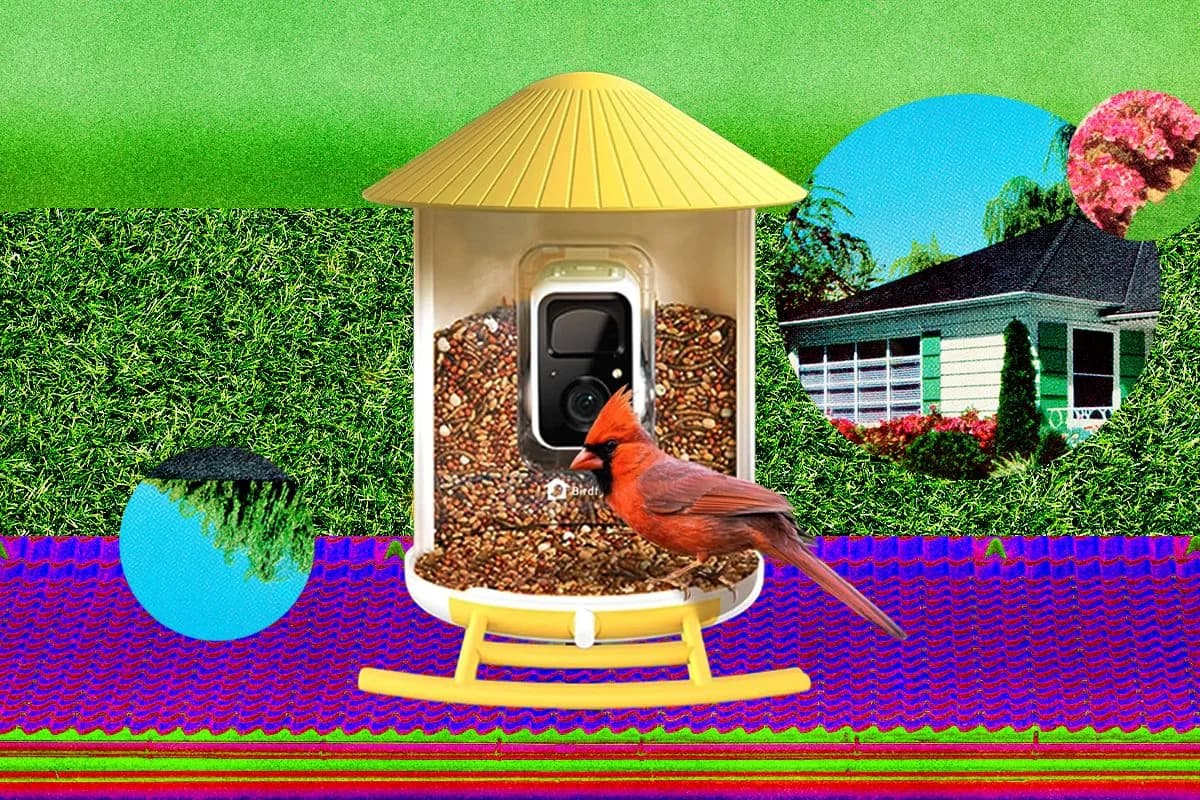
For decades, backyard bird feeding was a simple, analog hobby. Enthusiasts placed wooden or plastic structures in their yards, filled them with seed, and relied on binoculars and field guides to identify whatever winged visitors happened to stop by. Today, that quiet pastime is undergoing a massive digital overhaul. A new generation of tech-enabled bird feeders, packed with integrated cameras, computer vision models, and companion mobile applications, has captured the public imagination and translated into genuine consumer demand.
These devices do far more than just snap casual photos. They stream real-time video feeds, send push notifications when feathered guests arrive, and use advanced machine learning to instantly identify species down to the exact breed. As consumer electronics intersect with wildlife observation, smart feeders represent a fascinating case study in how niche hobbyist gear can leverage modern software infrastructure to cross over into mainstream popularity.
The Convergence of Edge Computing and Wildlife
At their technical core, these smart feeders are marvels of consumer IoT (Internet of Things) engineering. Housed in weather-resistant chassis, they combine wide-angle high-definition camera modules with motion detection sensors and low-power microcontrollers. When a bird lands on the perch, the sensor triggers a capture sequence, streaming footage either to the cloud or directly to a local gateway device depending on the specific product architecture.
What truly powers the user experience, however, is the software layer. Integrated computer vision models process the incoming image streams, comparing visual traits against vast biological databases. Within seconds of a visitor touching down, the associated app can deliver a notification reading something like a northern cardinal or a blue jay has arrived. This seamless pipeline turns casual outdoor observers into engaged, real-time data collectors without requiring any technical expertise from the end user.
Why Consumers and Tech Enthusiasts Are Hooked
The explosive popularity of these devices stems from a clever blend of gamification, education, and passive entertainment. For tech enthusiasts and developers, there is a distinct appeal in watching consumer-grade machine learning models perform complex object recognition tasks in real-world, highly unpredictable environments like an open backyard. The hardware must contend with shifting lighting, erratic weather, and rapid movement, making reliable identification a compelling engineering feat.
For everyday consumers, the appeal lies in the sheer delight of discovery. Many modern applications feature social sharing tools, allowing neighbors or global communities to compare which species are visiting their respective feeders. By turning localized wildlife monitoring into an interactive, app-driven feed similar to social media timelines, these products successfully hook users who might never have picked up a traditional birdwatching book.
Architectural Challenges and Software Complexity
Building and maintaining a smart feeder ecosystem is no small feat for software engineers and product teams. The underlying architecture must balance several competing demands, including low power consumption, reliable wireless connectivity in outdoor environments, and real-time video streaming bandwidth. Because these devices often sit at the outer edges of a home Wi-Fi network, robust firmware update protocols and efficient data compression are absolute prerequisites.
Furthermore, cloud infrastructure costs can scale rapidly when thousands of devices are continuously uploading high-definition video clips or high-resolution images for machine learning inference. As a result, engineering teams are increasingly shifting toward edge computing—running lightweight neural networks directly on the device's local processor to handle initial motion filtering and classification before deciding whether to transmit data upstream.
Privacy, Data Ownership, and the Ecosystem Lock-In
As with any connected camera device deployed around residential properties, smart bird feeders bring forth important questions regarding privacy and data ownership. While the primary intent is tracking local wildlife, these cameras inevitably capture footage of human activity, neighboring yards, or public spaces depending on their placement. Manufacturers must implement robust data encryption, secure authentication methods, and transparent privacy policies to maintain consumer trust.
Additionally, many manufacturers rely on subscription models to unlock advanced app features, such as extended video history, predator alerts, or deeper species analytics. This software-as-a-service approach creates recurring revenue streams for companies but can lead to consumer friction regarding hardware capability lock-in. Developers and hardware makers must carefully weigh the value of cloud-locked features versus local-first processing options.
The Future of Connected Consumer Ecology
The success of smart bird feeders points toward a broader trend: the ambient digitization of everyday home and garden objects. As computer vision libraries become more accessible and embedded silicon grows cheaper and more power-efficient, we can expect to see similar connected intelligence applied to other outdoor hobbies, from gardening to insect monitoring. These devices serve as touchpoints where citizen science meets commercial consumer hardware.
For the software industry, this category highlights the growing importance of seamless cross-platform integrations, where hardware telemetry, mobile push architectures, and complex machine learning pipelines must operate in total harmony. As the technology matures, expect even greater autonomy, longer battery lives through advanced solar harvesting, and more sophisticated ecological insights built directly into the apps we carry in our pockets.
Final Takeaway
Smart bird feeders have evolved from a quirky technological novelty into a robust consumer category, bridging the gap between hardware engineering, mobile software, and citizen science. By democratizing wildlife identification and packaging it in an engaging, app-driven experience, these connected devices demonstrate how modern software and AI can revitalize traditional hobbies and create entirely new avenues for consumer engagement.
Source: wired.com