
Sci-Fi's Next Frontier: What Blade Runner 2099 and SDCC's Biggest Teasers Signal for Modern Streaming

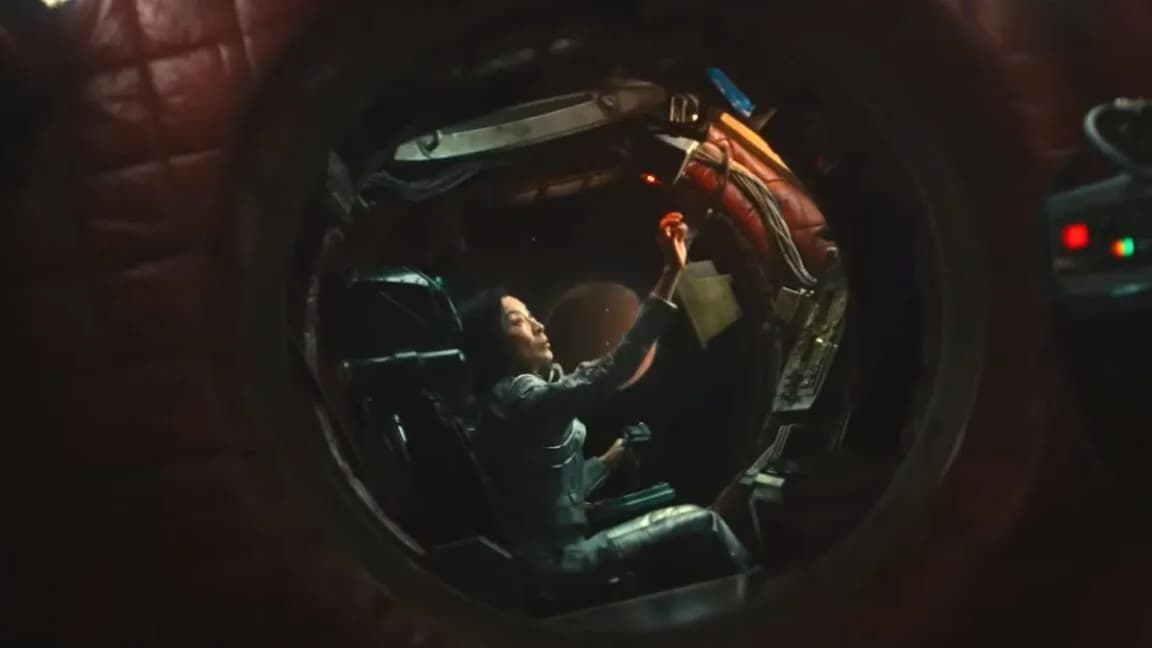
San Diego Comic-Con has long served as the ultimate nexus for speculative fiction, pop culture revelations, and groundbreaking entertainment technology. This year's gather delivered a wave of high-profile announcements, none more captivating than the first glimpse of Amazon Prime Video's highly anticipated live-action series, Blade Runner 2099. By extending one of cinema's most revered dystopian universes into serialized television, the reveal marks a significant moment for sci-fi enthusiasts and streaming strategists alike.
The event was far from a one-property showcase. Alongside the preview of futuristic Los Angeles, convention attendees were treated to major updates across fantasy and superhero franchises, including key plot developments for The Lord of the Rings: The Rings of Power Season 3, fresh footage from DC Studios' Lanterns, and a panel celebrating the return of sci-fi comedy with Spaceballs: The New One. Together, these unveils paint a clear picture of how streaming giants are leveraging legacy intellectual property to power the next generation of blockbuster entertainment.
A New Cyberpunk Epoch: Unveiling Blade Runner 2099
The original 1982 Blade Runner, directed by Ridley Scott, defined the aesthetic and thematic contours of modern cyberpunk. Its 2017 sequel, Denis Villeneuve's Blade Runner 2049, expanded that moody, atmospheric world into a masterclass of cinematic pacing and visual design. Now, Blade Runner 2099 takes the narrative fifty years further into a fractured future where the line between synthetic human replication and organic identity has grown even more precarious.
The teaser presented at SDCC offered a striking visual showcase of this evolved setting. Viewers were re-introduced to soaring megastructures bathed in volumetric neon light, rain-soaked urban canyons, and an omnipresent sense of industrial decay balanced against hyper-advanced technology. The imagery suggests that while Fifty years have passed within the lore, the underlying existential tension—exploring what it truly means to be human in an automated world—remains the series' guiding core.
Shifting from feature-length films to a multi-episode television structure presents unprecedented narrative opportunities for the franchise. Rather than squeezing complex political, corporate, and philosophical dynamics into a two-hour window, the series format allows showrunners to explore the day-to-day realities of living in a post-human dystopian society, diving deep into the underground networks, corporate boardrooms, and neglected fringes of its futuristic urban landscape.
Expanding the Mythos: From Cinema to Television
Adapting an iconic cinematic franchise for serialized streaming is a high-stakes enterprise. The original films relied heavily on meticulous set design, practical lighting, innovative visual effects, and iconic soundscapes to immerse audiences in their bleak world. Translating that high level of production value to an extended television run requires staggering financial investment and creative discipline.
In Blade Runner 2099, the challenge lies in maintaining atmospheric density over many hours of content without pacing fatigue. Television allows for a broader ensemble cast and intricate subplots that can investigate how replication tech, environmental collapse, and economic disparity impact different strata of society. It moves the narrative away from individual detective procedurals toward a broader, systemic exploration of a world on the brink of total transformation.
Furthermore, the technological context surrounding the franchise has changed dramatically since 1982—and even since 2049. Today's real-world advances in generative artificial intelligence, robotics, and corporate data gathering make the core themes of Blade Runner feel less like speculative fiction and more like an amplified mirror of contemporary technological anxiety, adding immediate relevance to the new series.
A Blockbuster Slate: Fantasy, Superheroes, and Parody at SDCC
While the futuristic visual design of Blade Runner 2099 dominated headlines, the SDCC lineup demonstrated that studios are doubling down on diverse genre offerings. Fantasy fans received a major milestone teaser for The Lord of the Rings: The Rings of Power Season 3, featuring pivotal narrative moments around the forging of the One Ring. This development marks a dramatic shift in the series' arc, bringing the sprawling epic closer to the familiar events of J.R.R. Tolkien's central legendarium.
Concurrently, DC Studios provided fresh insights into Lanterns, signaling a grounded, detective-style approach to cosmic superhero lore. Positioned as a noir-thriller set against a sci-fi backdrop, Lanterns reflects a broader industry trend of combining genre elements—blending crime investigation with high-concept worldbuilding to pull in broader audiences who might otherwise bypass standard comic book fare.
To round out the weekend, the panel for Spaceballs: The New One brought a welcome dose of self-aware humor. Reminding audiences that satire is an essential counterweight to gritty, existential sci-fi, the project highlights how legacy properties can be revisited through comedic lenses, proving that audiences remain eager for both solemn philosophical epics and lighthearted genre parodies.
The Technical Edge: CGI, Virtual Production, and Worldbuilding
Behind these ambitious teasers lies a dramatic evolution in production technology. To achieve the visual grandeur expected by modern viewers, studios are heavily relying on state-of-the-art visual effects, real-time rendering, and virtual production techniques such as LED volumes. These tools allow filmmakers to construct vast, photo-realistic environments—whether it be futuristic Los Angeles or the mythic lands of Middle-earth—with unprecedented fidelity and control.
For a show like Blade Runner 2099, maintaining visual consistency with its cinematic predecessors is paramount. Digital set extensions, dynamic lighting systems, and advanced compositing ensure that the transition from silver screen to home display does not result in a loss of visual scale or depth. Virtual production environments also enable directors to capture realistic reflections and atmospheric lighting in camera, preserving the tactile, physical feel that made the original films legendary.
However, technology is only a tool for worldbuilding. The success of these visual assets ultimately hinges on artistic direction. The previews shown at SDCC highlight a conscious effort to prioritize mood, practical texture, and scale over mindless spectacle, suggesting that creators are acutely aware of the delicate balance between digital trickery and immersive atmosphere.
Strategic Implications for Streaming Platforms
The heavy focus on sprawling sci-fi and fantasy properties at SDCC highlights a critical business reality for major entertainment platforms: high-concept, recognizable IP is the primary battlefield for subscriber acquisition and retention. Production budgets for shows like Blade Runner 2099 and The Rings of Power rival those of major theatrical releases, signaling that streaming services view these prestige projects as flagship anchors for their global platforms.
Investing in established universes reduces initial consumer friction. Audiences already understand the rules, tone, and aesthetic of the Blade Runner or Lord of the Rings franchises, making them far more likely to tune in compared to unproven original concepts. By expanding these properties into multi-season series, platforms build long-term subscriber engagement that extends well past a single theatrical weekend.
At the same time, this strategy carries significant financial risk. When budgets soar into hundreds of millions of dollars, projects must achieve cross-demographic success to justify their costs. Streaming executives are betting that high production values, coupled with deep narrative lore, will translate into persistent global viewership and cultural mindshare in an increasingly fragmented media environment.
Challenges, Expectations, and the Future of Sci-Fi IP
Despite the excitement surrounding these convention previews, navigating legacy franchises is fraught with potential pitfalls. Fanbases for properties like Blade Runner hold strong expectations regarding narrative integrity and atmospheric authenticity. Over-saturating a dark, philosophical universe with excessive spin-offs or lowering creative standards can quickly erode brand prestige.
To succeed, creators must strike a delicate balance between honoring canonical foundations and taking genuine artistic risks. The television format offers the necessary runway for slow-burn storytelling, character-driven drama, and ideological complexity—qualities that made the original films enduring classics. If Blade Runner 2099 can deliver on these fronts while utilizing cutting-edge visual tech, it could set a new quality benchmark for live-action sci-fi television.
As these major titles move closer to their official release dates, the footage unveiled at San Diego Comic-Con offers a reassuring glimpse into the future of speculative fiction. Streaming platforms are clearly willing to invest the resources required to create immersive, large-scale visual worlds. For developers, artists, and sci-fi devotees, the coming era promises a rich fusion of advanced technology, ambitious worldbuilding, and deep narrative exploration.
Source: arstechnica.com