
Samsung's Foldable Pub Strategy: What Happens When Experiential Tech Marketing Misses the Mark?

Redefining Hardware Launch Culture
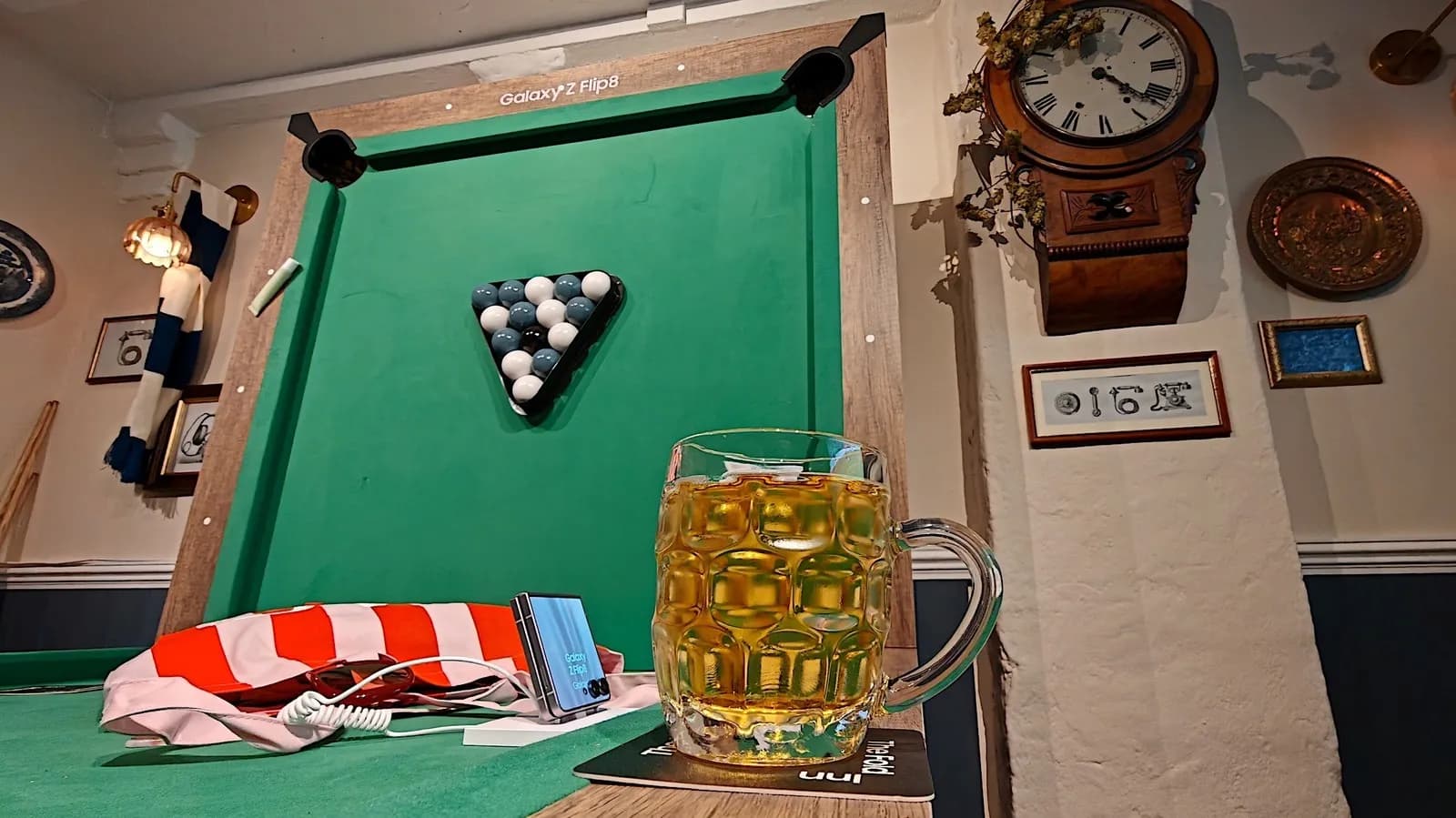
In an era where smartphone announcements often blur together into a predictable stream of incremental processor upgrades and megapixel enhancements, consumer electronics giants are continually searching for novel ways to capture public imagination. Following its high-profile Unpacked presentation showcasing the latest evolutions in its Galaxy foldable lineup, Samsung took an unconventional detour into London’s vibrant hospitality scene. By creating a temporary, foldable-themed pop-up pub in the heart of the city, the South Korean tech leader attempted to translate cutting-edge screen technology into an interactive, real-world social experience.
As tech launches venture further away from conventional keynotes and hands-on press booths, the risks associated with ambitious lifestyle marketing become increasingly evident. Transforming abstract product features into tangible, real-world events requires meticulous planning across every touchpoint. While the primary goal was to showcase flexible displays and versatile hinge designs to prospective buyers, the surrounding execution demonstrated how delicate the balance can be when a tech giant steps outside its traditional expertise.
The Pub Concept: Bringing Foldables to Main Street
Pop-up venues have become a staple strategy for brands attempting to foster casual, approachable interactions with potential buyers. For Samsung, transforming a central London location into a tech-infused pub offered an opportunity to place its flagship foldable devices directly into the hands of consumers in a familiar, relaxed setting. Visitors were invited to test out the unique form factor, dual-screen capabilities, and multi-tasking features of the new hardware while soaking in a customized environment tailored to match the brand’s visual identity.
To complement the social atmosphere and maintain an inclusive, daytime-friendly space, the venue featured a menu of custom non-alcoholic beers and themed beverages. The objective was clear: demystify complex foldable engineering by wrapping it in an accessible, everyday cultural staple—the classic British pub. Rather than asking users to inspect phones under harsh trade show spotlights, the setup aimed to demonstrate how foldables fit seamlessly into modern lifestyle contexts, photography moments, and casual social interactions.
Where Experiential Marketing Hits a Snag
While the ambition behind experiential pop-ups is often praised by brand strategists, execution in the non-tech elements can quickly backfire. Visitors and attendees noted that while the hardware demonstrations remained the central focus, the peripheral hospitality elements—specifically the taste and quality of the custom alcohol-free beers—left much to be desired. What was intended as a clever brand extension instead risked becoming a point of critique, illustrating a classic pitfall in modern experiential event design.
When a technology company steps outside its primary domain of software and hardware engineering to offer food, beverages, or novelty merchandise, those touchpoints become direct reflections of the brand itself. A sub-par beverage experience inside a flagship brand activation can inadvertently color a visitor's overall impression. In high-stakes product promotion, every detail matters: if a curated drink tastes poor or uninspired, it risks overshadowing the sophisticated engineering of the flexible displays and hinge mechanisms on display just a few feet away.
The Push for Lifestyle Alignment in Mature Markets
The motivation behind Samsung’s pub experiment highlights a broader industry shift: smartphone hardware, even in the innovative foldable segment, is entering a phase of consumer maturity. Consumers no longer purchase mobile devices solely based on raw benchmark scores, memory capacity, or camera specs. Instead, buying decisions are driven heavily by brand identity, ecosystem integration, and lifestyle alignment.
For foldable smartphones in particular, bridging the gap between niche novelty and mainstream adoption requires changing public perception. Flexible displays have moved past their initial experimental phase, but convincing average buyers to trade their traditional slab smartphones for a folding device requires showing—not just telling—how these devices enhance daily life. Temporary installations like themed cafes, interactive art galleries, or localized pubs serve as experiential bridges, designed to make novel form factors feel intuitive, rugged, and fundamentally practical for everyday environments.
Developer and Product Implications: Beyond the Gimmick
From a software developer and product designer perspective, marketing activations like the pop-up pub reveal crucial insights into how consumer hardware is positioned. When hardware manufacturers push unique form factors through lifestyle marketing, they are also attempting to signal to app developers that there is an active, engaged audience eager for tailored software experiences. Foldable devices present distinct UX/UI opportunities, such as flex-mode interactions, dual-screen multitasking, and dynamic layout reflows, which rely heavily on developer adoption to yield real utility.
However, if the public narrative around an event centers on gimmicks or flawed execution rather than practical software utility, it can blunt the excitement developers feel toward building dedicated experiences for that hardware. For software ecosystems to thrive, lifestyle marketing must seamlessly connect with real user value. Demonstrating how applications perform in real-world scenarios—such as taking group photos hands-free at a social gathering or managing split-screen apps while on the go—is far more persuasive to both developers and users than novel peripheral themes.
Balancing Innovation with Authenticity in Tech Events
As tech firms continue to explore boundary-pushing promotional campaigns, the lesson from London's foldable pub is clear: authenticity and attention to detail must extend to every layer of the user experience. Whether designing a mobile operating system or crafting a promotional beverage, consistency in quality is paramount.
To make experiential marketing truly effective, tech brands should consider several fundamental principles:
- Core Alignment: Ensure all non-tech elements enhance rather than distract from the product being highlighted.
- Quality Control: Maintain the same high standards for third-party partnerships and sensory elements as applied to the flagship hardware.
- Utility Focus: Highlight tangible software features and real-world usefulness alongside visual novelties.
- Authentic Social Engagement: Create environments where product testing feels organic rather than staged or overly commercialized.
The Future of Consumer Hardware Activation
Samsung's temporary London pub experiment underlines the evolving dynamic between technology giants and their global consumer base. As hardware iteration cycles become more refined, creative brand activations will remain an essential tool for capturing consumer attention in crowded metropolitan hubs. While missteps in sensory details like non-alcoholic beer can generate temporary skepticism, the overarching impulse to meet users in their natural social environments is fundamentally sound.
Ultimately, hardware success will always rely on delivering flawless engineering and intuitive software experiences. Experiential marketing can successfully draw people through the door, but the lasting impact depends on whether the device in their hands—and the overall experience surrounding it—lives up to the high expectations set by the brand.
Source: engadget.com