
Nanoleaf Merges Desk Ergonomics and Ambient Illumination with New Smart LED Monitor Stand

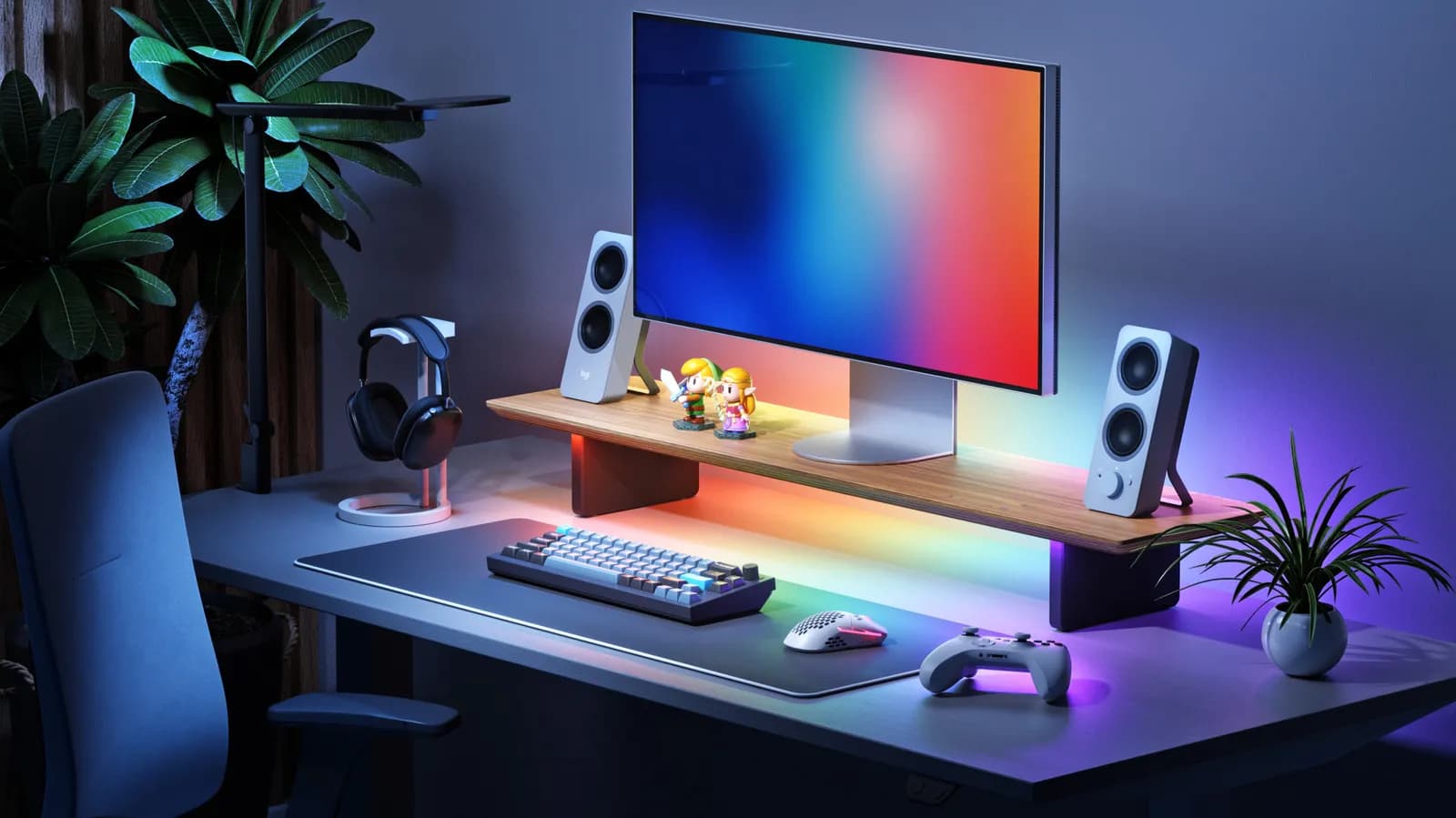
In recent years, the humble work desk has undergone a dramatic transformation. What used to be a simple surface for a computer, keyboard, and coffee mug has evolved into a hyper-personalized ecosystem engineered for productivity, ergonomics, and visual appeal. Smart lighting pioneer Nanoleaf has consistently fueled this shift with its iconic wall-mounted light panels and lightbars. Now, the company is stepping directly onto the physical desk surface with its new Smart LED Monitor Stand, priced at $169.99.
By combining display elevation with full-spectrum, customizable illumination, this new hardware release attempts to solve two distinct modern workstation challenges at once: ergonomics and mood lighting. Rather than forcing users to adhere aftermarket LED strips to the back of a third-party monitor riser, Nanoleaf offers a cohesive, out-of-the-box solution designed to streamline cable management, improve posture, and elevate the aesthetic of modern computing environments.
Rethinking Desk Ergonomics and Aesthetic Lighting
For developers, creators, and professionals spending eight or more hours a day in front of displays, workstation design is far more than a luxury—it directly impacts health and efficiency. Prolonged monitor usage without proper eye-level adjustment frequently leads to neck strain, slouched posture, and physical fatigue. Monitor stands have long provided a straightforward solution by raising screens to a comfortable viewing angle while freeing up precious desk footprint beneath the display for storage.
Simultaneously, ambient and bias lighting have transitioned from a niche enthusiast trend into mainstream ergonomic advice. Placing soft light behind or beneath a screen reduces contrast glare in dim environments, lessening eye fatigue during long coding sessions or late-night work shifts. Nanoleaf's decision to merge monitor elevation with sophisticated lighting hardware addresses both physical comfort and ambient comfort simultaneously, acknowledging how deeply visual environments affect modern knowledge workers.
What Nanoleaf Brings to the Table
The standout characteristic of the Smart LED Monitor Stand is its clean, integrated approach. Rather than acting as a simple shelf with an light strip tacked on, the stand is designed around Nanoleaf's signature light engine. It provides vibrant backlighting and under-shelf illumination, transforming the space directly under and around the monitor into a dynamic canvas of light.
Users can expect deep integration with the established Nanoleaf app ecosystem. This includes granular control over color palettes, dynamic light animations, and schedule automations. Furthermore, the stand leverages Nanoleaf's screen-mirroring features, allowing the lighting effects to dynamically match the visual activity on the connected computer display. Whether you are debugging complex codebases, editing video, or taking a break with a video game, the lighting expands the visual field beyond the monitor bezels to create an immersive atmosphere.
The $170 Price Tag in a Crowded Hardware Market
At $169.99, Nanoleaf is positioning this accessory squarely in the premium workstation market. Traditional monitor risers made of wood, aluminum, or acrylic can range anywhere from $20 to $100, while high-end smart lighting accessories independently cost between $50 and $150. By bundling high-grade build quality with smart ecosystem features, Nanoleaf is asking consumers to pay a single premium for a unified device.
For many potential buyers, the value proposition hinges on convenience and software synergy. Installing DIY light strips often involves messy adhesive tapes, visible wiring, separate power bricks, and inconsistent app controls. An all-in-one product eliminates cable clutter and guarantees that the light diffusion is tailored specifically to the dimensions of the stand. However, price-sensitive consumers or those who already own high-end monitor arms may find the entry price a steep hurdle if they only seek ambient lighting without the structural shelf.
Developer and Power-User Perspective: Workflow and Ambiance
From a developer's perspective, the physical environment plays a crucial role in maintaining deep focus and reaching a state of flow. Customizable lighting setups are increasingly used not just for aesthetics, but as functional indicators. Programmers frequently map light colors to build statuses, server monitoring alerts, or productivity timers. With open ecosystem support and API access typically provided across Nanoleaf's catalog, power users can potentially script custom automations that trigger specific light signals directly from their development environments.
Beyond functional automation, the psychological impact of ambient lighting during long screen sessions is well-documented. Soft, warm lighting can signal wind-down periods during late evening shifts, while cool, energetic color profiles can boost alertness during early morning sprints. By elevating the monitor, the stand also creates dedicated storage space beneath the screen for mechanical keyboards, audio interfaces, or docked laptops, helping maintain a clutter-free desk surface essential for clear cognitive focus.
Ecosystem Integration and Smart Home Connectivity
A key strength of any Nanoleaf release is its broad compatibility across the broader smart home landscape. Modern smart lighting relies heavily on cross-platform integration, and this monitor stand is expected to sit comfortably alongside major smart home frameworks, including Apple Home, Google Home, and Amazon Alexa. Support for desktop platforms like Windows and macOS ensures that users can manage lighting profiles directly from their workstations without picking up a smartphone.
For gamers and entertainment enthusiasts, Nanoleaf's existing partnerships with platforms like Razer Chroma and Corsair iCUE mean the monitor stand can synchronize lighting effects with peripherals across an entire desk setup. This multi-device sync turns the entire workspace into a reactive environment, blending workspace utility with interactive entertainment lighting.
Potential Caveats and Open Questions
Despite its compelling pitch, potential buyers should consider a few practical factors before making an investment. First, weight limits and footprint dimensions are critical when choosing a monitor stand. Heavy multi-monitor setups or ultra-wide displays require sturdy support, and users will need to ensure the physical dimensions align with their specific monitor bases and desk depth.
Second, reliance on software control can occasionally introduce friction if connectivity or firmware updates interrupt seamless operation. While physical control buttons on desk accessories provide quick toggles for brightness and power, the full feature set remains locked behind software applications. Potential owners will want to evaluate whether they prefer physical tactile controls or complete app-driven automation for day-to-day use.
The Bottom Line: Functional Furniture Meets Smart Design
Nanoleaf’s expansion into workspace hardware signals a natural and clever evolution for the smart lighting brand. By embedding modern LED technology into a functional, ergonomic monitor stand, the company bridges the gap between office furniture and smart home technology. At $169.99, it is a specialized investment, but one that directly caters to developers, power users, and creators looking to build a clean, atmospheric, and clutter-free desk environment.
Source: engadget.com