
Insta360 Luna Pro Challenges the Handheld Stabilized Camera Market

The Evolution of Pocket-Sized Cinematic Tools
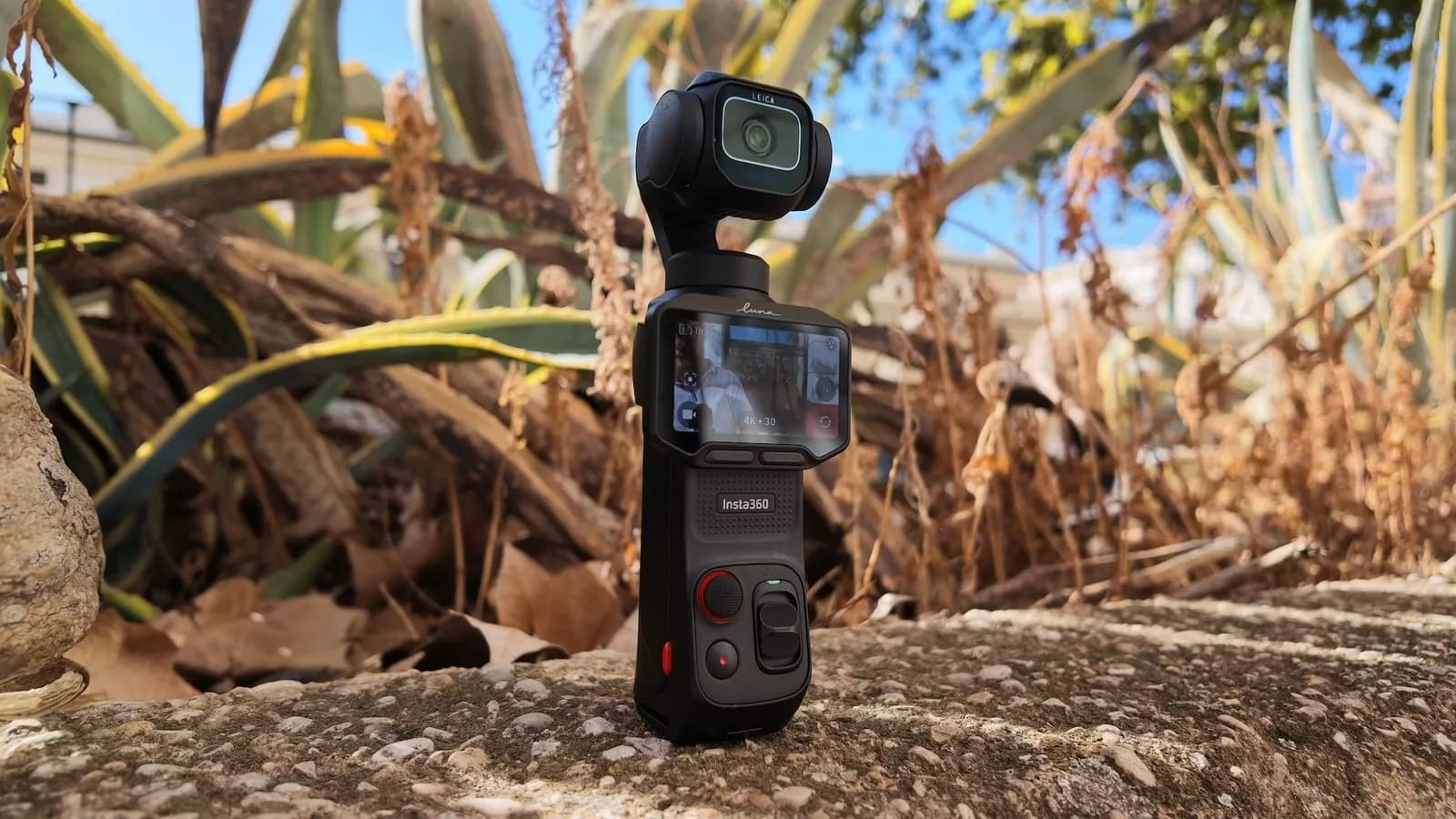
Content creation has long demanded a delicate balance between high-end production quality and physical portability. For years, creators relying on smartphones faced severe compromises in low-light performance, stabilization artifacts, and battery drain. Meanwhile, dedicated pocket gimbals carved out a distinct niche by packing mechanical stabilization into an ultra-compact form factor. The arrival of the Insta360 Luna Pro signals a major escalation in this hardware race, introducing features that challenge the status quo and offer direct competition to dominant market options like the Osmo Pocket line.
This release underscores a broader shift in hardware engineering, where consumer-grade devices increasingly borrow professional cinematic workflows. As platforms like Instagram Reels, TikTok, and YouTube Shorts prioritize visually polished, high-framerate content, the tools required to capture it must evolve rapidly. Insta360 has positioned its latest hardware not merely as a casual vlogging accessory, but as a robust capture device capable of satisfying rigorous creative demands.
Hardware Innovations and Ergonomic Design
At the core of the Luna Pro's appeal is its refined form factor and mechanical stabilization system. Unlike software-based crop stabilization, a dedicated three-axis gimbal ensures fluid motion even during fast-paced tracking shots or walking tours. The physical design prioritizes quick deployment, comfortable grip ergonomics, and intuitive physical controls that minimize the need to constantly interact with a touchscreen interface while recording.
Furthermore, sensor enhancements allow the device to capture cleaner dynamic range and improved performance in challenging lighting conditions. Creators working in dimly lit indoor spaces or navigating high-contrast outdoor environments will find that these hardware-level improvements drastically reduce noise and artifacts compared to standard mobile phone sensors. The integration of high-fidelity audio capture capabilities rounds out a package designed to minimize post-production friction.
Software Integration and the Creator Ecosystem
Modern hardware is only as good as the software ecosystem supporting it, and Insta360 has heavily invested in streamlined companion applications. The Luna Pro pairs with mobile and desktop suites designed to accelerate the tedious pipeline of transferring, proxying, and editing vertical video. Automated reframing tools, intelligent cutting algorithms, and cloud synchronization allow solo creators to produce polished vertical content in a fraction of the usual time.
For independent developers and digital agencies producing social media campaigns, these software integrations offer a compelling value proposition. The ability to quickly extract key clips, apply standardized color grading profiles, and export directly to multiple aspect ratios reduces friction across the entire production pipeline. It reflects a growing industry trend where hardware manufacturers view software not as an afterthought, but as the primary differentiator in a crowded market.
Market Dynamics and Direct Competition
The introduction of the Luna Pro is particularly significant for the United States market, where consumer options for dedicated pocket gimbals have historically been limited to just a few major brands. By establishing a direct rival to established heavyweights like DJI's Osmo Pocket series, Insta360 is forcing competitors to innovate faster, potentially driving down prices and accelerating feature rollouts across the board.
This healthy market competition ultimately benefits creators, who can expect more aggressive firmware updates, expanded accessory ecosystems, and broader availability. Retail accessibility in western markets also means that independent videographers and digital marketers can readily acquire professional-grade gear without navigating complex import channels or supply chain bottlenecks.
Implications for Solo Creators and Digital Agencies
As video content continues to dominate digital marketing and personal branding, the barrier to entry for professional-looking media keeps dropping. Tools like the Luna Pro empower solo creators to achieve production values that previously required dedicated camera crews, multi-axis rigs, and extensive post-production suites. This democratization of high-end gear shifts the competitive advantage from having a large budget to possessing creative execution and storytelling skills.
For small media agencies, outfitting a team with pocket-sized, highly stabilized cameras offers immense operational flexibility. Field reporting, on-the-fly client interviews, and rapid social media updates can all be executed with a single, highly portable kit. The reduction in equipment weight and setup time translates directly into higher output and greater responsiveness to trending topics and breaking digital events.
Looking Ahead at the Future of Mobile Video Gear
The launch of the Insta360 Luna Pro highlights the relentless pace of innovation in compact imaging technology. As sensors become more capable and stabilization algorithms smarter, the line between dedicated cinema cameras and pocket-sized content creation tools continues to blur. Developers and hardware manufacturers will need to continue pushing boundaries, integrating smarter features, and lowering technical friction to keep pace with demanding creators.
Ultimately, the device represents more than just a new product release; it is a testament to how mobile-first workflows are driving the evolution of the entire camera industry. Whether shooting daily vlogs, commercial social campaigns, or artistic travel pieces, creators now have access to unprecedented power in the palm of their hand.
Source: engadget.com