
Curating the Map: Why Apple is Barring Home Services from Its Upcoming Maps Ad Platform

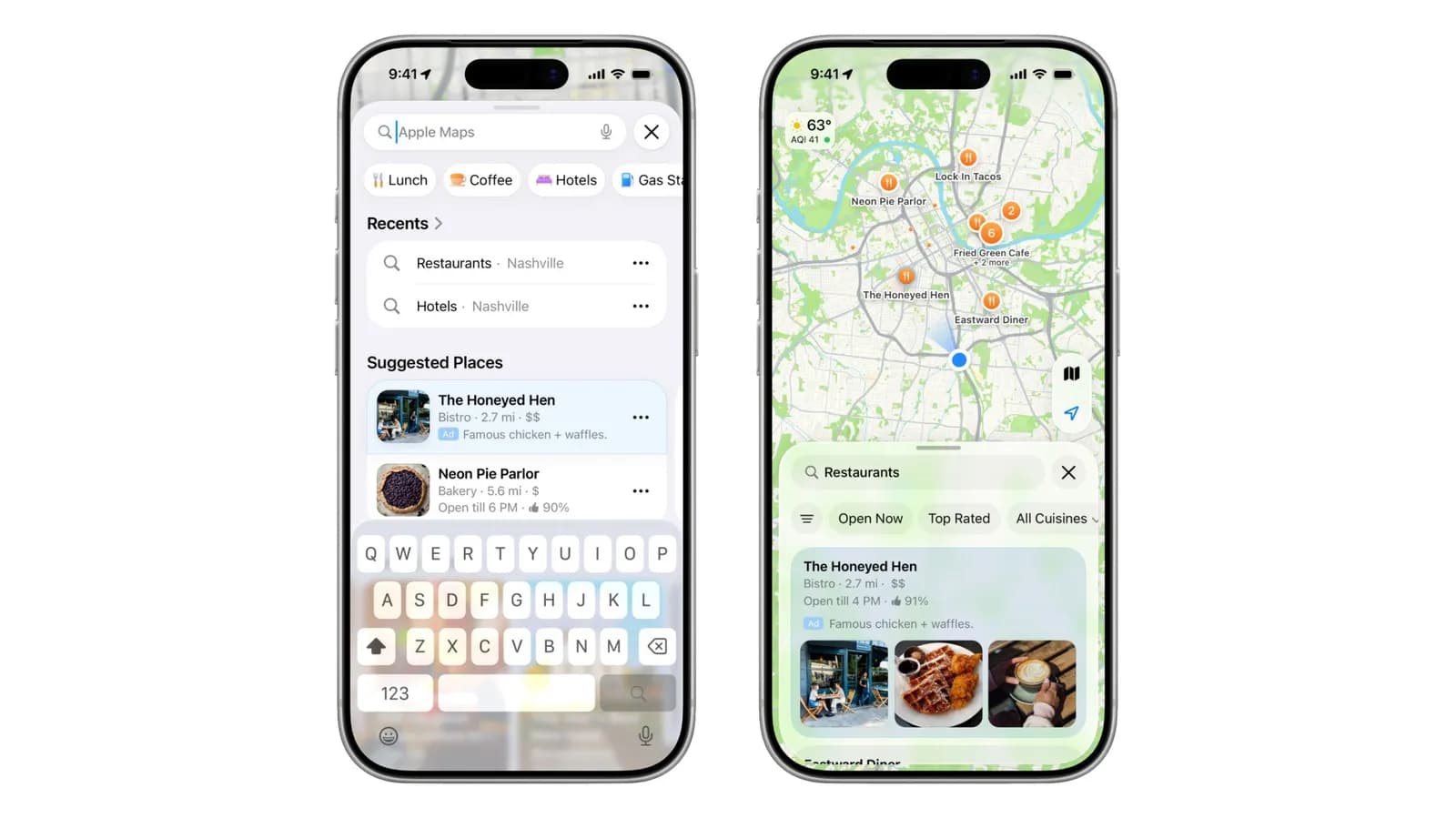
The Next Frontier for Apple's Advertising Ambitions
Apple is quietly preparing for a major expansion of its digital advertising footprint, with Apple Maps positioned as the next major canvas for sponsored content. As the company seeks to diversify its revenue streams beyond hardware sales, its Services division has become a critical engine of growth. However, before the first sponsored pins even roll out to the wider public, Apple is already drawing strict boundaries. Reports indicate that the tech giant has decided to ban home service advertisements—such as plumbers, locksmiths, house cleaners, and garage door repair technicians—from its upcoming Maps ad inventory.
This preemptive restriction represents a highly calculated approach to monetization. For years, Apple has positioned itself as a champion of consumer privacy and clean user experiences, often contrasting its business model with the ad-heavy ecosystems of its competitors. By setting rigid guidelines for Apple Maps advertising early on, the company is signaling that it will not sacrifice the usability and aesthetic integrity of its software for quick advertising dollars. Instead, Apple is choosing curation over an open-market free-for-all.
The Persistent Nightmare of Home Service Spam
To understand why Apple is taking such a drastic step, one must look at the broader landscape of local search engine marketing. In the digital advertising industry, the "home services" vertical is notorious for being a hotbed of lead-generation scams, fraudulent listings, and predatory business practices. Because these businesses do not require a physical storefront to operate, bad actors frequently set up thousands of fake listings using virtual offices, PO boxes, or residential addresses to dominate local search results in major metropolitan areas.
When a consumer is locked out of their house or dealing with a burst pipe, they are in a state of urgency. They often click the first sponsored result they see on their phone. In many cases, these ads lead to unverified dispatch centers that send unlicensed subcontractors who charge many times the quoted price. Competitors like Google have spent millions of dollars and dedicated massive engineering resources to combatting this "ghost business" phenomenon, implementing rigorous verification processes including video audits and business license checks. Despite these efforts, spam remains a persistent game of whack-a-mole. By banning home services from Maps ads entirely, Apple is sidestepping this entire security and verification nightmare before it even begins.
Prioritizing the Brick-and-Mortar Experience
By excluding mobile home services, Apple is reserving its limited ad space exclusively for physical, brick-and-mortar establishments. Restaurants, retail boutiques, coffee shops, hotels, and entertainment venues are the natural beneficiaries of this policy. These businesses have a physical footprint that can be easily verified through mapping data, street-view imagery, and official local registries, making them far less susceptible to the spoofing tactics used by lead-generation networks.
For Apple, keeping the focus on physical destinations aligns perfectly with how people naturally use a mapping application. The primary utility of Apple Maps is navigation and discovery—helping users find a physical place to go, rather than a service to summon to their current location. By limiting ads to physical destinations, Apple can integrate sponsored pins and search results more seamlessly into the map interface. This ensures that the visual design remains clean and uncluttered, making ads feel like helpful, contextual suggestions rather than intrusive, irrelevant spam.
The Developer and Local SEO Perspective
For developers, digital marketers, and local SEO specialists, Apple's restrictive policy represents a major shift in how local search visibility must be approached. Marketers representing home service brands will no longer be able to simply buy their way to the top of Apple Maps search results. Instead, they will have to double down on organic optimization strategies. This places a premium on maintaining accurate, up-to-date Apple Business Connect profiles, gathering authentic user reviews, and ensuring clean structured data on their primary websites.
On the developer side, this decision opens up significant opportunities for third-party directory and service-matching applications. If users cannot easily find and trust home service providers directly through Apple Maps ads, they will continue to rely on dedicated platforms like Yelp, Angi, or Thumbtack. Developers of these specialized platforms can leverage Apple's API integrations to ensure their services remain the primary transactional layer for iOS users looking for home help, potentially leading to deeper, more lucrative integrations within the broader iOS ecosystem.
A Fundamental Philosophical Divide: Apple vs. Google
This policy highlight a fundamental philosophical difference between Apple and Google. Google's business model is built on organizing the world's information and maximizing ad inventory across every possible query. Google wants to monetize every search, which is why it tolerates the complex moderation challenges of the home services sector. Google's Local Services Ads (LSAs) are a massive revenue generator, even if they require constant, expensive policing and verification frameworks.
Apple, conversely, operates primarily as a premium hardware and ecosystem provider. Its advertising business is designed to complement, not compromise, the high-end feel of its devices and software. Apple is willing to leave money on the table—potentially hundreds of millions of dollars in lucrative home service ad spend—to ensure that its software remains elegant, reliable, and safe. This conservative approach to monetization may limit the short-term growth rate of Apple's ad network, but it strengthens the long-term value and trust of the iOS ecosystem.
The Future of Curated Utility
As Apple Maps prepares to roll out its advertising features globally, the exclusion of home services sets a clear precedent for how the company intends to balance monetization with platform integrity. By choosing to protect the user experience from the chaotic world of mobile service spam, Apple is positioning Maps as a highly curated, reliable directory for physical exploration. For local businesses and consumers alike, this decision will shape the future of mobile discovery, proving that in Apple's ecosystem, quality and trust still take precedence over raw ad volume.
Source: engadget.com