
Capcom's Retro Renaissance: Why Reviving Dormant Franchises Is Winning Strategy

The Shift From Sequels to Retro Resurrections
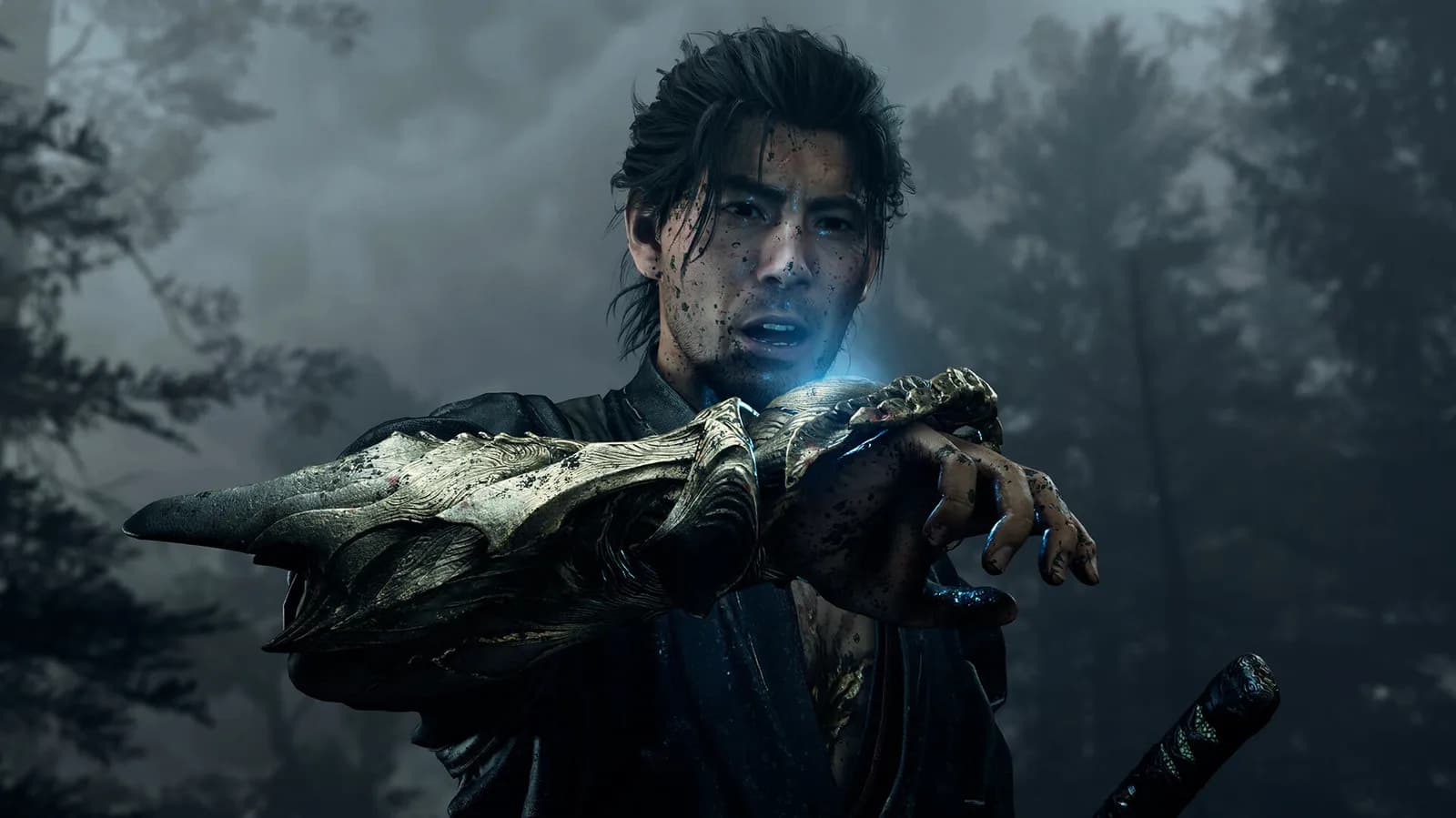
For years, the mainstream video game industry has chased the horizon of hyper-realism, massive open worlds, and endless live-service iterations. Yet, amid this relentless push forward, a powerful counter-trend has emerged. Classic publishers are looking backward into their vaults, recognizing that decades-old catalogs hold immense, untapped brand equity. A prime example of this phenomenon is Capcom, a company that has steadily mastered the art of bridging its storied past with modern hardware capabilities. Following the stellar commercial and critical debut of Onimusha: Way of the Sword, which crossed the coveted one-million-copy threshold right out of the gate, management has signaled a broader pivot.
This strategic awakening isn't merely about cashing in on nostalgia; it is a calculated business maneuver that leverages established fan bases to mitigate the financial risks inherent in launching entirely new intellectual properties. Developing a triple-A game from scratch requires astronomical budgets and multi-year production pipelines, often leading to inflated expectations and high failure rates. By contrast, dusting off a beloved franchise like Onimusha provides an instant baseline of market awareness. For developers and producers alike, this renaissance offers a unique opportunity to iterate on proven mechanics, modernizing them for contemporary audiences without starting the conceptual design phase with a blank slate.
Decoding the Onimusha Blueprint
The catalyst behind Capcom's renewed enthusiasm for its archive is the recent triumph of Onimusha: Way of the Sword. The franchise, which originally defined an era of tactical swordplay and atmospheric horror on early-2000s hardware, had languished in dormancy for over a decade. Fans had long given up hope of seeing a proper continuation or a comprehensive reimagining. When Capcom finally greenlit the project, skeptics wondered if the tactical, deliberate combat style of the original games would translate to modern gamers accustomed to fast-paced action titles and cinematic grandeur.
Those fears were comprehensively laid to rest when the game launched to glowing reviews and rapidly flew off digital and physical shelves. The success hinged on a delicate balancing act: respecting the dark, samurai-infused atmosphere that made the original titles iconic, while overhauling the controls, camera systems, and graphics to meet modern standards. This careful execution served as a masterclass in modern game revival, proving that dormant IPs are not inherently obsolete. Instead, they often simply require the right technological canvas and a development team that understands the core ethos of what made the original iterations resonate in the first place.
Unlocking the Capcom Vault: What Might Come Next?
With Onimusha proving that classic franchises still hold serious commercial viability, the speculation mill within the gaming community has gone into overdrive. Capcom possesses one of the richest catalogs in the industry, accumulated over decades of arcade dominance and console innovation. Franchises that once defined genres—ranging from frantic arcade shooters and gothic action-adventure titles to cult-classic role-playing games—are now prime candidates for a modern comeback. The question facing leadership in Osaka is no longer whether they should look backward, but rather which of their numerous dormant properties deserves the treatment next.
Industry analysts and devoted fans have pointed to several distinct possibilities. Titles that once thrived in the shadow of Resident Evil and Street Fighter could finally get their time in the spotlight. However, reviving these properties is not without its challenges. Modernizing retro game design requires deep institutional knowledge. Developers must dissect what made legacy titles special while ruthlessly cutting away archaic mechanics that would alienate today's players. The Onimusha resurgence suggests that Capcom has successfully figured out this formula, creating a blueprint that can theoretically be applied across multiple genres in their expansive catalog.
The Industry-Wide Trend Toward Nostalgia Monetization
Capcom's strategic shift does not happen in a vacuum. Across the entire technology and entertainment sectors, nostalgia has become a powerful economic driver. In the gaming industry specifically, high development costs and lengthening production cycles have made publishers increasingly risk-averse. Creating an entirely new franchise demands millions of dollars in marketing just to convince consumers to take a chance on an unknown world. Reviving a legacy franchise bypasses a significant portion of this friction, trading on goodwill and fond memories that have matured over decades.
This trend is also deeply intertwined with generational shifts in the workforce and consumer base. The developers now leading major studios are the very individuals who grew up playing these classic games in the late 1990s and early 2000s. They bring genuine passion and authentic understanding to these revival projects, ensuring that modern sequels and reboots feel like true letters of love to the original material rather than cynical cash-grabs. For the industry at large, this proves that commercial success does not exclusively rely on chasing the latest fleeting trends; sometimes, the most profitable path forward lies in mining the gold already buried in the backyard.
Technical and Design Hurdles in Modernizing Classics
Breathing new life into a decades-old franchise is a delicate engineering and design tightrope walk. Modernizing a classic IP involves far more than simply applying a high-definition coat of paint to old codebases or assets. Developers must completely re-architect game engines, rewrite physics and input systems, and completely rethink level design to accommodate contemporary player expectations. A mechanic that felt revolutionary twenty years ago—such as fixed camera angles or tank controls—can easily feel frustrating and archaic to modern audiences unless thoughtfully adapted.
From a software architecture perspective, handling legacy IP means dealing with institutional knowledge gaps. Original documentation may be sparse or outdated, and the original creators may have long since moved on to other ventures. The development teams tasked with these revivals often have to reverse-engineer the "soul" of the original game through careful play and experimentation. Striking the exact cadence of combat, the pacing of exploration, and the specific tonal mood requires iterative prototyping. When done correctly, as seen with recent retro revivals, the result is a seamless fusion of nostalgic comfort and cutting-edge execution.
What This Means for Developers and the Future Roadmap
For software engineers, game designers, and creative directors working in the modern games industry, Capcom's strategy shift signals an encouraging change in how corporate portfolios are managed. It demonstrates that creative ambitions do not have to be entirely subjugated by live-service trends or endless sequels to the exact same three massive franchises. There is a healthy, lucrative space for mid-sized, narrative-driven, or action-focused single-player experiences rooted in beloved legacy lore.
As Capcom continues to roll out its updated roadmap over the coming years, developers watching from the sidelines will likely take notes. The triumph of Onimusha teaches a vital lesson: respect the player's history, invest in authentic modernization, and do not underestimate the power of a dormant brand when handled with genuine care. If other publishers adopt this philosophy, the gaming landscape could experience a sustained golden age of historical revivals, rescuing forgotten classics from digital obscurity and introducing them to an entirely new generation of players.
Final Takeaway
Capcom's pivot back to its dormant catalog proves that honoring the past is often the smartest way to build the future. By treating legacy IPs with high production values and creative respect, publishers can unlock immense value while delighting both old-school veterans and modern gamers alike.
Source: engadget.com