
Beyond the Airplane Mode Myth: What Actually Speeds Up Smartphone Charging

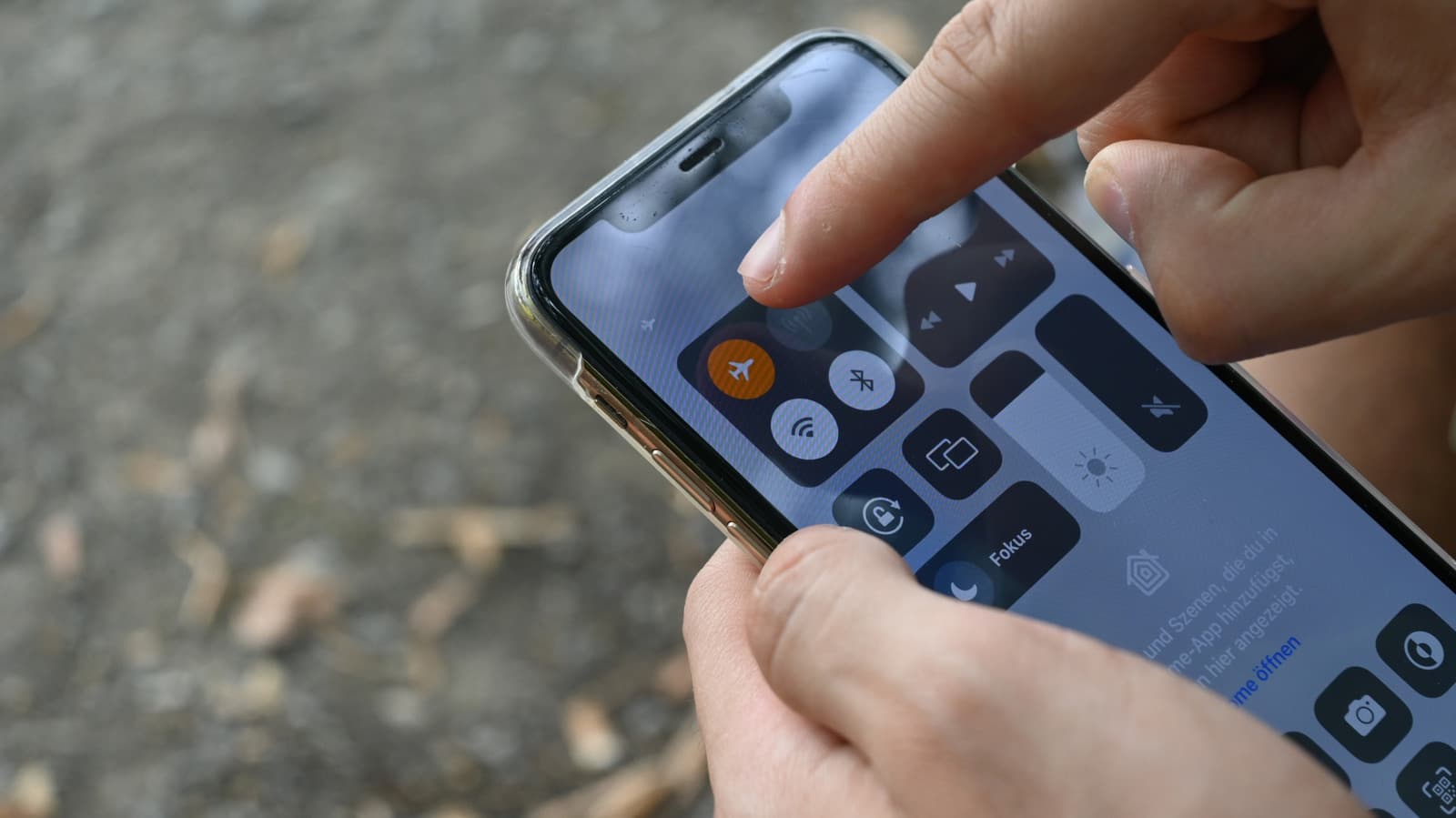
In our fast-paced digital environment, running low on battery at a critical moment can provoke an immediate sense of urgency. Over the years, a popular tip has gained widespread traction across internet forums and social media: toggling on airplane mode while plugged into a wall outlet to charge your smartphone faster. The logic seems undeniable on paper—by cutting off the device's wireless radios, the phone spends less energy operating in the background, allowing the battery to fill up in record time.
However, when scrutinized under real-world conditions and measured against modern battery chemistry, this persistent life hack proves to be far less impactful than widely believed. While enabling airplane mode does technically decrease the time required to top off a battery, the practical difference is so small that it is rarely worth the inconvenience of severing your digital connection. To truly optimize charging times, users must look past simple software toggles and focus on the fundamental hardware standards and thermal dynamics that govern mobile devices today.
How the Airplane Mode Charging Trick Works
To understand why airplane mode speeds up charging at all, it helps to examine what a smartphone's background components are doing when connected to a network. Under normal operating conditions, a mobile device continuously communicates with cellular towers, Wi-Fi access points, Bluetooth peripherals, and location services. Cellular baseband processors, in particular, require continuous power to manage network handshakes and maintain signal stability, especially in areas with weak signal reception where the phone must boost radio output power.
When you enable airplane mode, the operating system cuts power to these internal radios. With cellular, Wi-Fi, and Bluetooth chips effectively suspended, the baseline power consumption of the device drops closer to zero. Consequently, every milliampere of current delivered through the charging cable is directed straight into the chemical storage of the lithium-ion cell, rather than being diverted to keep active network stacks alive. In theory, eliminating this background power drain should allow the battery to reach full capacity faster.
The Reality Check: Measuring the Actual Time Saved
While the physics behind the trick is technically sound, the actual quantitative time saved tells a very different story. Modern empirical testing across various flagship devices demonstrates that turning on airplane mode while charging yields only a minute reduction in total charge time. On average, flipping the toggle saves between two to five minutes across an entire charging cycle that might otherwise take an hour or more to complete.
The primary reason for this negligible return lies in the sheer scale of energy involved. Contemporary rapid charging systems push power into smartphones at rates ranging anywhere from 20 watts to well over 60 watts during the initial stages of a charge. By contrast, the idle power consumption of dormant wireless radios usually amounts to mere fractions of a watt. When stacked against high-wattage power bricks, the energy savings achieved by switching off cellular connectivity represent a tiny drop in a very large bucket, rendering the speed difference almost imperceptible in daily use.
The Unseen Cost: Disconnection in an Always-On World
Because the time saved by enabling airplane mode is so small, users must weigh that minimal gain against the immediate functional drawbacks. Activating airplane mode completely isolates the device from incoming phone calls, SMS messages, multi-factor authentication codes, emergency broadcasts, and location tracking services. For professionals, remote workers, or anyone expecting urgent communications, missing a vital notification during a 30-minute charging window can have real consequences.
Furthermore, shutting down network connections halts cloud synchronization tasks, automated backups, and app updates that often run seamlessly while the phone is stationary and plugged into power. Sacrificing essential digital connectivity and delaying important background maintenance tasks just to gain two or three extra minutes of battery power is an inefficient trade-off for almost every user profile.
Hardware First: Understanding Modern Fast Charging Standards
Rather than relying on software shortcuts that compromise connectivity, achieving faster charging speeds requires a clear understanding of modern power delivery standards. The primary bottleneck for charging performance is rarely the operating system; it is the combination of the power brick, the physical cable, and the device's onboard charge controller. Understanding these hardware components is key to accelerating power delivery safely:
- USB Power Delivery (USB-PD): The open industry standard that allows devices and power adapters to dynamically negotiate high voltage and current levels for maximum speed.
- Programmable Power Supply (PPS): An advanced feature within USB-PD that enables real-time adjustments of voltage and current to maximize efficiency and reduce heat.
- Smart Power Adapters: Utilizing modern semiconductor materials like Gallium Nitride (GaN) allows wall chargers to deliver higher wattages in significantly smaller form factors without overheating.
Using a low-wattage power adapter—such as the legacy 5-watt charging bricks that accompanied older phones—will result in slow charging regardless of whether airplane mode is active. Upgrading to a certified fast charger that supports your device's specific fast-charging protocol is the single most effective action you can take to dramatically reduce time spent tethered to a wall outlet.
Thermal Management: The Real Enemy of Speed
Another crucial factor that overshadows airplane mode is thermal regulation. Modern smartphones rely on sophisticated Battery Management Systems (BMS) that monitor internal temperature in real time to prevent degradation and safety hazards. When a phone becomes too warm, the BMS automatically throttles incoming wattage to protect the battery chemistry, drastically slowing down the charging process.
This thermal throttling explains why wireless charging, despite its convenience, is inherently slower and less efficient than wired connections. Wireless charging pads generate substantial excess heat through inductive coils, which frequently causes the phone's internal safety thermal limits to trigger and drop incoming power levels. Additionally, using heavy intensive applications or playing high-end games while charging generates internal processor heat that compounds thermal buildup. Keeping the device cool by setting it on a hard surface, removing heavy protective cases during rapid top-ups, and refraining from intense usage yields far greater charging acceleration than toggling airplane mode ever could.
Smarter Tactics for Accelerating Your Battery Top-Up
If you need to maximize your phone's battery gain during a brief 10- or 15-minute window, focus on high-impact practices grounded in hardware optimization. First, always connect directly to a high-output wall charger rather than plugging into low-power laptop USB ports or standard vehicular ports. Ensure that both your cable and wall brick are rated to meet or exceed your smartphone’s maximum supported wattage standard.
Second, minimize screen activity. The display panel remains one of the largest power consumers on any modern mobile device. Simply putting the phone down and leaving the screen powered off while charging keeps energy usage at baseline without severing network connectivity. If thermal buildup is an issue, charging your device in a cool environment away from direct sunlight will prevent the thermal management system from throttling power levels prematurely.
The Bottom Line
The belief that airplane mode offers a dramatic shortcut to a fully charged smartphone is a persistent myth rooted in early mobile tech concepts that no longer apply to modern hardware. While shutting off wireless communications technically reduces baseline power draw, the resulting time savings are practically irrelevant in an era dominated by high-wattage fast charging and intelligent power management systems.
Rather than disconnecting yourself from incoming calls and critical updates for a negligible boost, invest in properly matched fast-charging hardware, maintain good thermal conditions, and let the device's built-in power controllers handle the rest. Understanding the real mechanics of mobile battery management ensures you can top off your device quickly and safely without sacrificing connectivity when you need it most.
Source: engadget.com