
Beyond Kratos: 'God of War Laufey' Brings Faye’s Untold Mythic Journey to PS5 This February

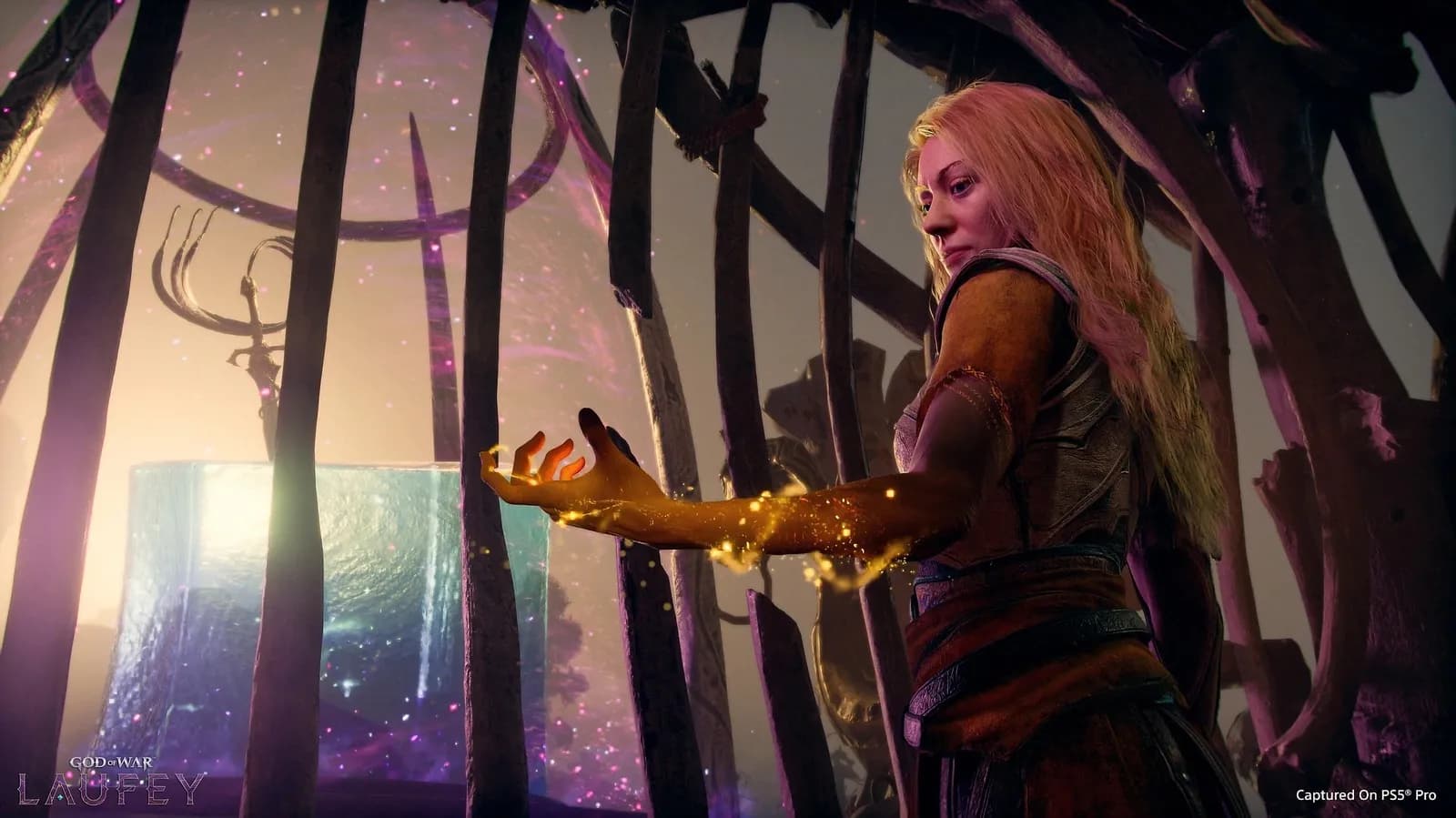
The expansive mythology of Santa Monica Studio’s reimagined Norse universe is preparing for its next major evolution. Gamers have long known Faye—or Laufey the Just—as the catalyst for the events of 2018's God of War and its 2022 successor, God of War Ragnarök. Though her presence loomed large over Kratos and Atreus throughout their epic Nordic journeys, her personal history and combat prowess were largely conveyed through lore entries, environmental storytelling, and solemn conversations. That perspective is about to change dramatically as God of War Laufey makes its official debut on PlayStation 5 on February 16.
This upcoming release grants players direct control over Faye as she navigates the perilous afterlife of the gods. By placing one of the franchise's most mysterious figures front and center, the title offers a fresh narrative lens and a distinct mechanical flavor. For fans eager to uncover the deeper secrets of Nine Realms lore, as well as industry observers watching Sony’s franchise strategy, the launch marks an important milestone in how major gaming intellectual properties expand beyond their primary protagonists.
Stepping into the Boots of Laufey the Just
In the established lore of the Norse saga, Laufey was far more than simply Kratos’ wife and Atreus’ mother. She was a legendary Jötunn warrior, a fierce protector of the oppressed across the realms, and a formidable adversary to the Aesir gods. Despite her monumental influence on the world, players only ever witnessed the aftermath of her life—beginning their journey by scattering her ashes from the highest peak in all the realms. The announcement that players will now take direct control of Faye represents a significant narrative shift, allowing the audience to experience her legendary strength firsthand rather than through secondhand tales.
The premise of God of War Laufey centers around a journey through the divine afterlife, a realm shrouded in mystery and fraught with supernatural hazards. Navigating this spirit domain requires Faye to confront the metaphysical remnants of divine power, otherworldly entities, and the lingering echoes of godhood itself. This setting provides an ideal backdrop for deep character exploration, offering answers to how her actions during her life forged the path that Kratos and Atreus would eventually walk. Rather than serving as a passive historical backdrop, Faye’s journey becomes an active, playable chapter in the overarching saga.
Expanding the Mythos Beyond Kratos
For over two decades, the God of War franchise has been almost exclusively defined by Kratos—his vengeance, his grief, his struggle for redemption, and his ultimate transformation into a wiser deity. While Atreus provided a secondary playable perspective in recent titles, shifting the focus to Faye represents a major departure for the franchise. Focusing an entire entry on a character whose life was previously defined by her absence creates an intriguing narrative challenge: how to build meaningful tension and character growth around a figure whose eventual destination is already known to the player base.
This approach allows the storytellers to flesh out the broader universe without needing to fabricate new reasons for Kratos to pick up his weapons once again. Faye’s unique position as both a giant and a crucial player in the cosmic chess match against Asgard gives her a distinct outlook on the realms. Through her eyes, the divine hierarchy of the Norse cosmos can be re-examined, highlighting the human and giant cost of godlike conflicts. It enriches the existing games by retroactively adding emotional weight to every mention of her name in the main entries.
Combat and Gameplay Dynamics in the Afterlife
From a gameplay perspective, controlling Laufey offers a fascinating contrast to Kratos’ heavy, visceral combat style. As the original wielder of the Leviathan Axe—the iconic frost-infused weapon she later passed down to Kratos—Faye brings her own distinct martial flair to battle. While Kratos wields the axe with brutal, overwhelming physical power, lore suggests Faye wielded it with fluid grace, combining frost magic, agility, and tactical precision. Translating this into active gameplay gives developers an opportunity to craft a combat system that feels familiar to veteran players yet inherently unique in its flow and responsiveness.
Furthermore, setting the adventure within the afterlife of the gods opens up extraordinary possibilities for environment design and level structure. Free from the constraints of mortal geography, environments can bend reality, incorporating ethereal architecture, shifting terrain, and abstract manifestations of divine energy. Players can expect complex platforming challenges, environmental puzzles rooted in giant magic, and combat encounters against celestial beings that inhabit this otherworldly plane. Designing for an afterlife setting allows for creative freedom in enemy design and world-building that goes beyond the grounded, snow-dusted forests of Midgard.
Leveraging PlayStation 5 Hardware Capabilities
Launching exclusively on the PlayStation 5 on February 16, God of War Laufey is positioned to take full advantage of current-generation console architecture. Modern game design relies heavily on high-speed solid-state drives (SSDs) to enable seamless transitions between radically different physical and ethereal realms. In a setting focused on the afterlife, rapid asset streaming allows for instantaneous world-shifting mechanics, where Faye can cross back and forth between spiritual dimensions without encountering traditional loading screens.
Additionally, modern visual capabilities such as hardware-accelerated ray tracing and high-frame-rate modes will be crucial for rendering the translucent, magical effects of the spirit world. Advanced spatial audio can heighten the eerie, surreal atmosphere of the divine afterlife, while the DualSense controller's haptic feedback and adaptive triggers can convey the subtle differences in Faye's combat style—distinguishing the crisp impact of her frost magic from the dense, heavy strikes associated with traditional weapons. For developers, hardware of this caliber transforms artistic vision into an immersive tactile experience.
Strategic Value and the Modern Gaming Landscape
From an industry standpoint, releasing a focused experience centered on a secondary character is a proven strategy for major console publishers. PlayStation has successfully utilized similar standalone titles in the past to expand core franchises, keep audiences engaged between massive mainline releases, and explore creative ideas without committing to a massive multi-year development cycle for a full sequel. Titles of this nature provide high-value content to the console ecosystem while giving development teams a space to experiment with new gameplay mechanics and narrative perspectives.
This strategy also speaks to the maturing nature of storytelling in AAA video games. Rather than relying indefinitely on a single iconic mascot, modern gaming franchises are learning to build ensemble universes capable of sustaining interest across multiple characters and eras. By establishing Laufey as a fully realized protagonist in her own right, Sony reinforces the idea that the world of God of War is rich enough to support diverse stories, ensuring the franchise remains vibrant and versatile for years to come.
Player Expectations and Narrative Risks
Expanding an iconic series comes with inherent risks. Longtime fans have deep emotional investments in established characters and combat systems. Introducing a playable protagonist whose backstory has already been partially mythologized creates a delicate balancing act. If Faye's combat or personality strays too far from what players envisioned through existing lore, it risks alienating purists. Conversely, if her gameplay feels like a simple reskin of Kratos without its own identity, the project risks feeling redundant.
Furthermore, setting a game in the afterlife presents narrative hurdles. High-stakes storytelling relies on clear consequences, danger, and urgency. In a realm where characters are already existing beyond mortal life, establishing real stakes requires creative writing and compelling emotional drivers. Players must feel that Faye’s struggles in this spiritual domain carry actual weight that impacts the universe, rather than feeling like an inconsequential detour. Successfully navigating these narrative pitfalls will be the ultimate test of the game’s creative direction.
Looking Ahead to February 16
As the February 16 launch date approaches, anticipation is building among PlayStation 5 owners eager to discover what lies beyond the veil of mortality in Norse mythology. God of War Laufey promises to offer a captivating mix of fluid combat, surreal atmospheric exploration, and profound character development. By turning the spotlight on a character who was once just a memory in the wind, the game offers players a chance to complete the puzzle of the Jötunn guardian’s life and legacy. Whether you are a dedicated fan of the series' deep lore or a player seeking a cutting-edge action-adventure on modern hardware, Faye’s journey into the afterlife promises to be a memorable addition to the PlayStation calendar.
Source: engadget.com