
Beyond Dolby Vision: How Eclipsa Video Aims to Redefine the High Dynamic Range Landscape

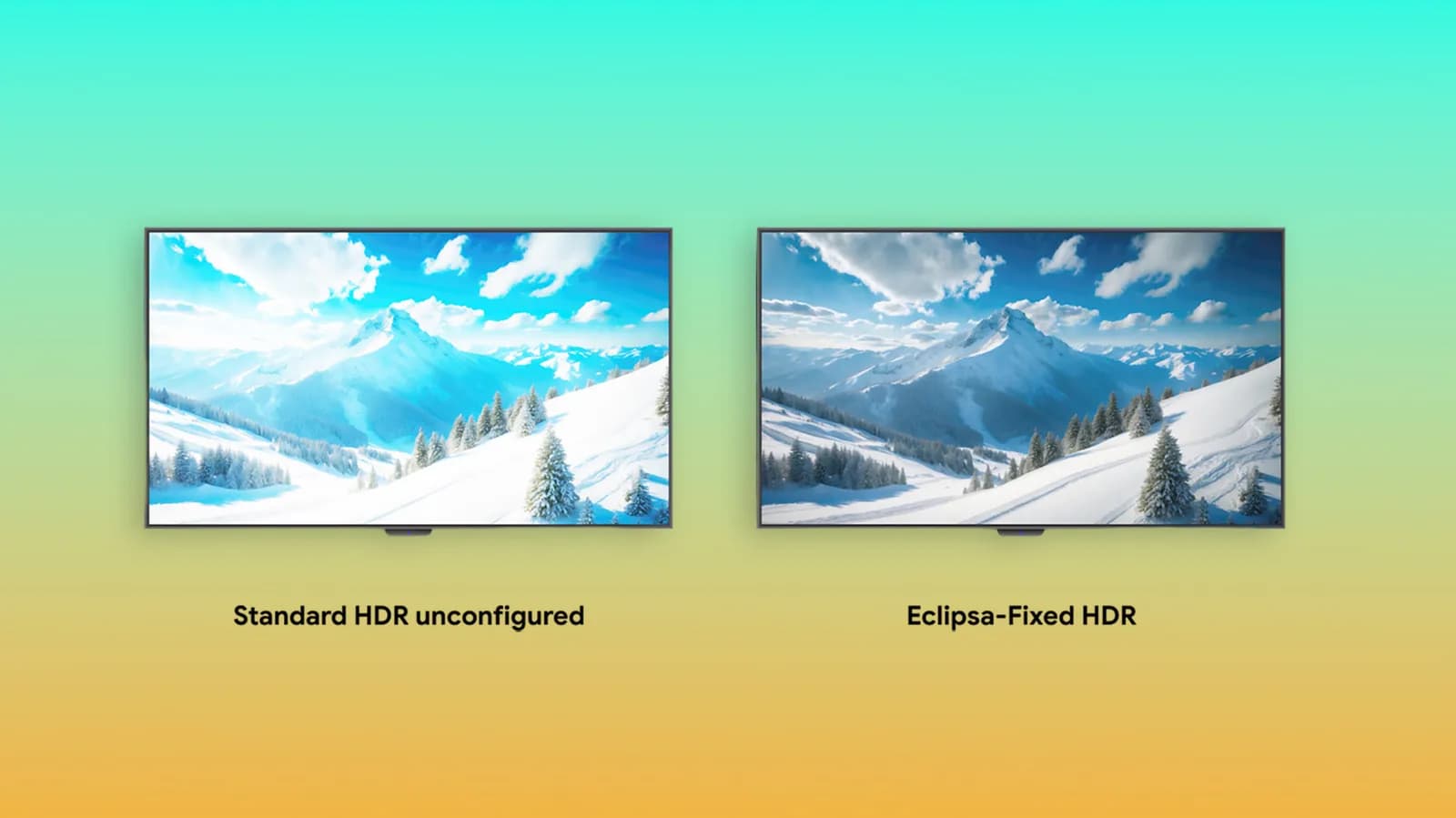
The visual technology landscape is undergoing a quiet but profound transformation. For years, consumers and developers alike have navigated a fragmented ecosystem of High Dynamic Range (HDR) standards, trying to balance the premium, proprietary brilliance of Dolby Vision against the open, yet static, limitations of HDR10. Just as the industry seemed to settle into an uneasy truce, a new contender has emerged on the horizon: Eclipsa Video. Designed to bridge the gap between high-end visual fidelity and open-source accessibility, this new format is poised to make its way onto consumer devices, promising to reshape how we master, distribute, and consume digital media.
The Current State of Play: HDR10 vs. Dolby Vision
To understand why Eclipsa Video is generating buzz, we must first look at the technologies currently dominating our screens. High Dynamic Range is fundamentally about contrast and color volume—allowing displays to show brighter highlights, deeper shadows, and a wider spectrum of colors than standard dynamic range (SDR). However, how a screen knows how to display these values depends entirely on metadata. This is where the current standards diverge significantly, creating distinct camps in the industry.
HDR10 is the open-source baseline. It uses static metadata, meaning the brightness parameters are established once for the entire video file. If a movie has one incredibly bright scene and one very dark scene, the display must find a middle ground, often compromising visual quality in one of those scenes. On the other end of the spectrum lies Dolby Vision. This proprietary format uses dynamic metadata, allowing the display to adjust its brightness, contrast, and color performance on a frame-by-frame or scene-by-scene basis. While Dolby Vision offers superior visual accuracy, it requires manufacturers and content creators to pay steep licensing fees, leaving budget-conscious hardware and independent developers in the dark.
Enter Eclipsa Video: What Is It?
Eclipsa Video arrives as a modern response to this ongoing industry tension. At its core, Eclipsa is a next-generation video format engineered to deliver the benefits of dynamic metadata without the restrictive licensing models associated with proprietary solutions. It aims to democratize high-fidelity video rendering by offering an open, highly adaptable framework that can scale across a wide variety of display panels, from ultra-premium OLED TVs to budget-friendly mobile screens.
Unlike traditional formats that rely on rigid hardware-level decoders, Eclipsa Video leverages intelligent, software-assisted tone mapping. This allows the format to analyze display capabilities in real-time and adjust the video output dynamically. By shifting some of the heavy lifting from specialized hardware chips to optimized software rendering pipelines, Eclipsa promises to bring premium-tier visual performance to devices that previously could not afford or support proprietary HDR standards.
Technical Breakdown: How Eclipsa Compares
When comparing Eclipsa Video to its established rivals, several key technical distinctions emerge. While HDR10 remains limited by its static nature, Eclipsa matches Dolby Vision by utilizing dynamic metadata pipelines. This ensures that every frame of a video is optimized for the specific display it is being viewed on, preserving creative intent in both blindingly bright highlights and deep, ink-like shadows.
The primary differentiator lies in the licensing and implementation overhead. The comparison can be summarized as follows:
- HDR10: Open-source, royalty-free, static metadata, limited to 10-bit color depth, widely supported but lacks frame-by-frame optimization.
- Dolby Vision: Proprietary, requires licensing fees, dynamic metadata, supports up to 12-bit color depth, requires dedicated hardware decoding.
- Eclipsa Video: Open-access/royalty-free model, dynamic metadata, highly adaptive software-defined rendering, designed for cross-platform compatibility without specialized silicon.
By offering dynamic metadata without the financial gatekeeping of Dolby, Eclipsa positions itself as a highly attractive alternative for hardware manufacturers looking to cut costs without sacrificing display quality.
Why It Matters for Developers and Content Creators
For software developers, video engineers, and content creators, the introduction of Eclipsa Video could significantly simplify production pipelines. Currently, mastering content for multiple HDR formats is a complex and expensive endeavor. Creators often have to output separate grades for HDR10, Dolby Vision, and SDR, which increases rendering times, storage requirements, and quality assurance overhead.
Eclipsa Video’s open architecture is designed to integrate smoothly with existing open-source video codecs and container formats, such as AV1 and MKV. By providing a unified, royalty-free path to dynamic HDR, developers can build video player applications, streaming platforms, and web browsers that support high-end visual rendering without worrying about licensing compliance or patent litigation. This could lead to a surge in high-quality video content from independent creators and smaller streaming platforms who were previously priced out of the premium HDR ecosystem.
The Battle for Ecosystem Adoption
Despite its technical merits, Eclipsa Video faces a steep uphill battle when it comes to industry adoption. The history of consumer electronics is littered with superior formats that failed simply because they could not secure market share. For Eclipsa to succeed, it must win the support of three critical pillars: silicon manufacturers, display OEMs (Original Equipment Manufacturers), and major streaming platforms.
If chipmakers like MediaTek, Realtek, and Apple do not integrate native decoding support for Eclipsa into their system-on-a-chip (SoC) designs, the format will struggle to gain traction. Similarly, streaming giants like Netflix, YouTube, and Amazon Prime Video must see a clear financial and operational benefit to encoding their massive libraries in a new format. While the promise of zero licensing fees is a powerful incentive, the cost of re-encoding petabytes of data is a massive barrier to entry that Eclipsa must overcome.
Potential Roadblocks and Open Questions
Beyond the challenges of adoption, Eclipsa Video must also address potential consumer confusion. The average shopper is already overwhelmed by a sea of acronyms: HDR10, HDR10+, Dolby Vision, HLG, and now Eclipsa. Introducing yet another sticker to the box of a new television or smartphone could lead to format fatigue, where consumers simply ignore the marketing and opt for whatever brand they recognize.
Furthermore, there are technical questions regarding how Eclipsa will perform on lower-end hardware. Because it relies heavily on software-defined rendering and adaptive tone mapping, there is a risk that budget devices with weak processors might experience frame drops or increased battery drain when decoding Eclipsa Video. Ensuring that the format remains lightweight and highly optimized across all tiers of hardware will be crucial for its long-term viability.
The Road Ahead for Visual Standards
Eclipsa Video represents a bold step toward a more open, accessible, and high-performance future for digital media. By challenging the duopoly of static open standards and expensive proprietary formats, it injects much-needed competition into the display industry. Whether it becomes the new global standard or remains a specialized tool for specific platforms, its presence will undoubtedly push established players to innovate and reconsider their licensing strategies.
For developers and tech enthusiasts, Eclipsa is a technology to watch closely. As the first wave of compatible devices and content begins to roll out, we will get a clearer picture of whether this open-access format can truly deliver on its promise of bringing cinema-grade visuals to every screen in the world.
Source: engadget.com