Apple TV+'s Neuromancer Adaptation Finally Breaks Cover With First SDCC Teaser

The Countdown to Cyberpunk's Genesis on Screen
For decades, William Gibson’s seminal 1984 novel Neuromancer has held an almost mythical status in the science fiction canon. Credited with minting the term "cyberspace" and popularizing the gritty, neon-drenched aesthetic of modern cyberpunk, the book has inspired generations of creators, technologists, and world-builders. Yet, despite its monumental cultural footprint, a proper screen adaptation has remained elusive. That long wait is finally drawing to a close, as Apple TV+ used the San Diego Comic-Con stage to unveil the very first teaser for its upcoming television adaptation of the classic novel.
The debut footage marks a major milestone for a project that fans have dreamed about since the dawn of the internet age. By bringing Case, Molly Millions, and the sprawling data-fortresses of the Sprawl to life, Apple is planting its flag firmly in prestige sci-fi television. As streaming platforms compete fiercely for high-concept intellectual property, tackling a complex literary cornerstone like Neuromancer represents both a massive creative gamble and an extraordinary opportunity to capture the cultural zeitgeist.
Decoding the Teaser: What the First Look Reveals
While the initial teaser shown at SDCC was brief, it delivered a potent dose of atmospheric world-building designed to reassure skeptical book purists. The footage leans heavily into the dark, rain-slicked alleys, corporate dominance, and cold technological underbelly that define Gibson’s universe. Rather than opting for clean, futuristic optimism, the aesthetic choice embraces the "low life and high tech" ethos that made the original text revolutionary forty years ago.
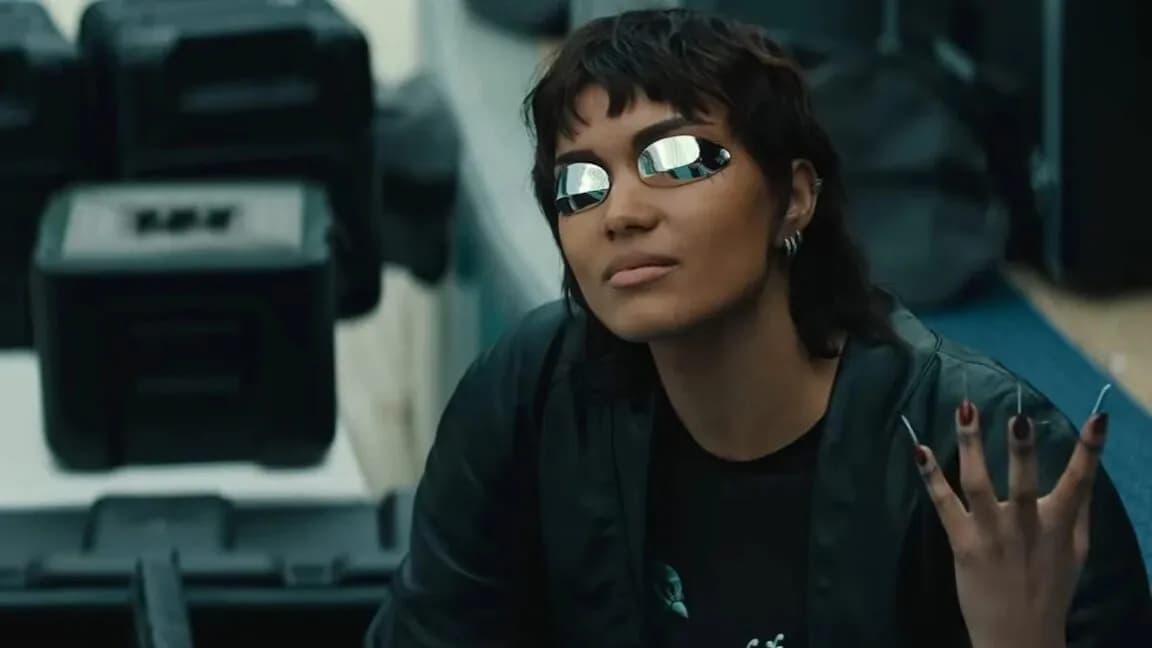
Viewers familiar with the novel caught fleeting glimpses of iconic motifs, from augmented ocular enhancements to the abstract, disorienting visuals of the matrix. The tone appears heavy, moody, and uncompromising, suggesting that the creative team is refusing to water down the mature themes of corporate exploitation, addiction, and digital consciousness. For an audience accustomed to sanitized sci-fi action, this gritty realism offers a promising signal that the adaptation intends to respect the intellectual weight of its source material.
The Creative Engine Behind the Sprawl
Adapting a dense, jargon-heavy novel like Neuromancer requires a delicate balance of visionary direction and narrative restructuring. Television demands character arcs and pacing that prose can afford to handle through internal monologue and deep world exposition. The production team behind Apple's adaptation has assembled creators known for handling complex, cerebral storytelling, aiming to translate Gibson’s unique prose style into a compelling visual grammar that works for episodic television.
Translating the abstract concept of "the matrix"—which predated the widespread consumer internet—into something visually engaging for modern audiences who live online is perhaps the production’s biggest hurdle. Instead of dating the material, the series appears to modernize the underlying anxieties of the original text: data surveillance, artificial intelligence autonomy, and the blurring lines between human identity and corporate-owned technology. This synthesis of retro-futurism with contemporary relevance could give the show a distinct identity in today's crowded streaming landscape.
Why This Matters for the Streaming Wars
Apple TV+ has steadily carved out a reputation as a sanctuary for ambitious, hard-science fiction. From Foundation to Severance and For All Mankind, the platform consistently invests in intellectual properties that demand patience, intellectual engagement, and cinematic production values. Securing Neuromancer reinforces this brand identity, signaling to sci-fi enthusiasts that Apple is the premier destination for high-end speculative fiction adaptation.
In a broader industry context, streaming services are increasingly looking to proven literary libraries to mitigate the risks associated with entirely original content. However, adapting classic sci-fi carries its own unique set of pitfalls, particularly when dealing with passionate fandoms with high expectations. If Apple can successfully deliver a prestige adaptation that satisfies both hardcore book fans and mainstream viewers, it could set a new benchmark for how complex literary sci-fi is brought to the small screen.
The Developer and Technologist Perspective
For software engineers, system architects, and tech enthusiasts, Neuromancer holds a special place in cultural lore. It is the birthplace of modern hacking culture mythology—where "console cowboys" jack directly into neural interfaces to bypass ICE (Intrusion Countermeasures Electronics) and manipulate corporate data flows. Watching these concepts transition from paper to high-budget television offers a fascinating lens through which to view how our actual technological reality has converged with, or diverged from, 1980s speculative fiction.
Today, as debates around neural interfaces, generative artificial intelligence, and corporate data monopolies dominate daily tech news, Gibson’s dystopian predictions feel more relevant than ever. Developers watching the series will likely appreciate the ironic parallels between the fictional deck-jacks of the Sprawl and the modern realities of cloud infrastructure, cybersecurity warfare, and decentralized networks. The show offers a chance to reflect on the ethical boundaries of technology wrapped inside an entertaining, high-stakes narrative framework.
Challenges, Risks, and Open Questions
Despite the excitement surrounding the SDCC reveal, significant hurdles remain. The primary risk facing any Neuromancer adaptation is translating internal psychological states—such as Case's addiction and his agonizing separation from the matrix—into compelling external drama. Furthermore, Gibson's dense prose is packed with slang and technical jargon that can alienate viewers if not carefully contextualized by the narrative.
Another open question is how many seasons the story will require and whether the platform will commit to a multi-year arc. The novel stands largely as a complete narrative, but modern streaming logic often pushes for expanded universes and ongoing franchises. Maintaining narrative integrity without stretching the source material past its breaking point will be a crucial test for the showrunners as production progresses.
What Comes Next for the Sprawl
With the initial teaser now out in the wild, the marketing machine for Apple TV+'s adaptation is officially underway. Fans will be eagerly scrutinizing every frame of the teaser and awaiting a full-length trailer that offers deeper narrative context and character reveals. As post-production continues and a release window draws closer, the anticipation within the sci-fi and tech communities will undoubtedly build.
Ultimately, the arrival of a live-action Neuromancer represents a cultural milestone for the cyberpunk genre. Whether it becomes the definitive sci-fi television event of its year or serves as a cautionary tale about the difficulty of adapting unfilmable books, all eyes are now turned toward the digital horizon that Apple is building.
Source: arstechnica.com